
The official name of the state of Australia is the ‘Commonwealth of Australia’. It is mainly located on the continent of the same name between the Indian and Pacific Oceans, but also includes Tasmania and several other islands. Australia is the sixth largest country in the world. The indigenous people, known as Aboriginal Australians, inhabited the country for over 65,000 years before Dutch sailors became the first Europeans to arrive in 1606. British colonization began after James Cook's exploration in 1770 and the establishment of a penal colony in 1788. Australia gained its independence from the United Kingdom in 1901. The six separate British colonies were united as federal states, making Australia one of the oldest federations in the world. However, the head of state is still the British monarch.
Facts
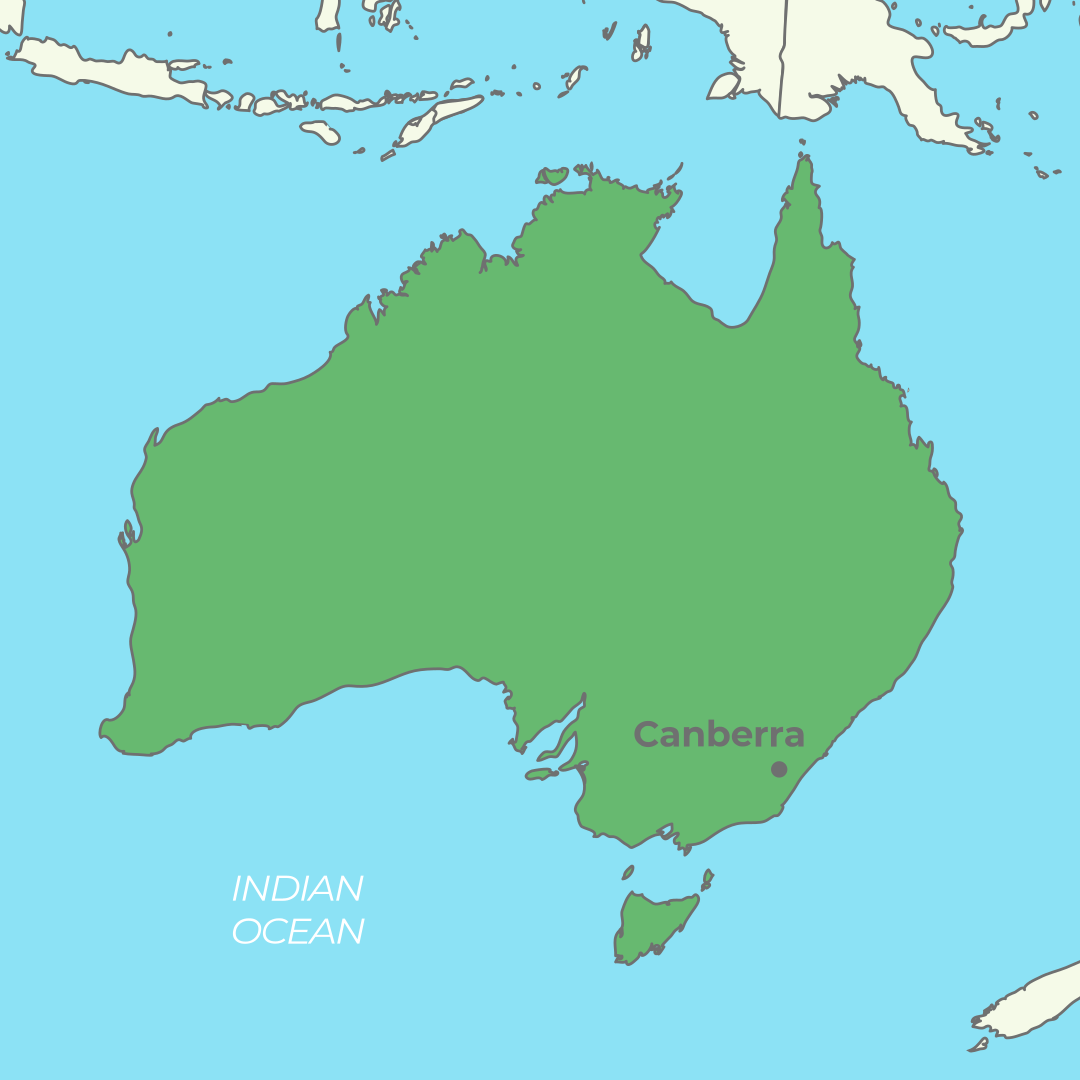
- Capital: Canberra
- Largest cities: Sydney, Melbourne
- Official language : None at federal level
- De facto official and national language: English
- Area: 7,741,220 km² (2,988,902 sq mi)
- Population: 26,768,598 (2024 estimate)
- Independence from Great Britain: 1st January 1901 (Constitution)
The extraordinary wildlife
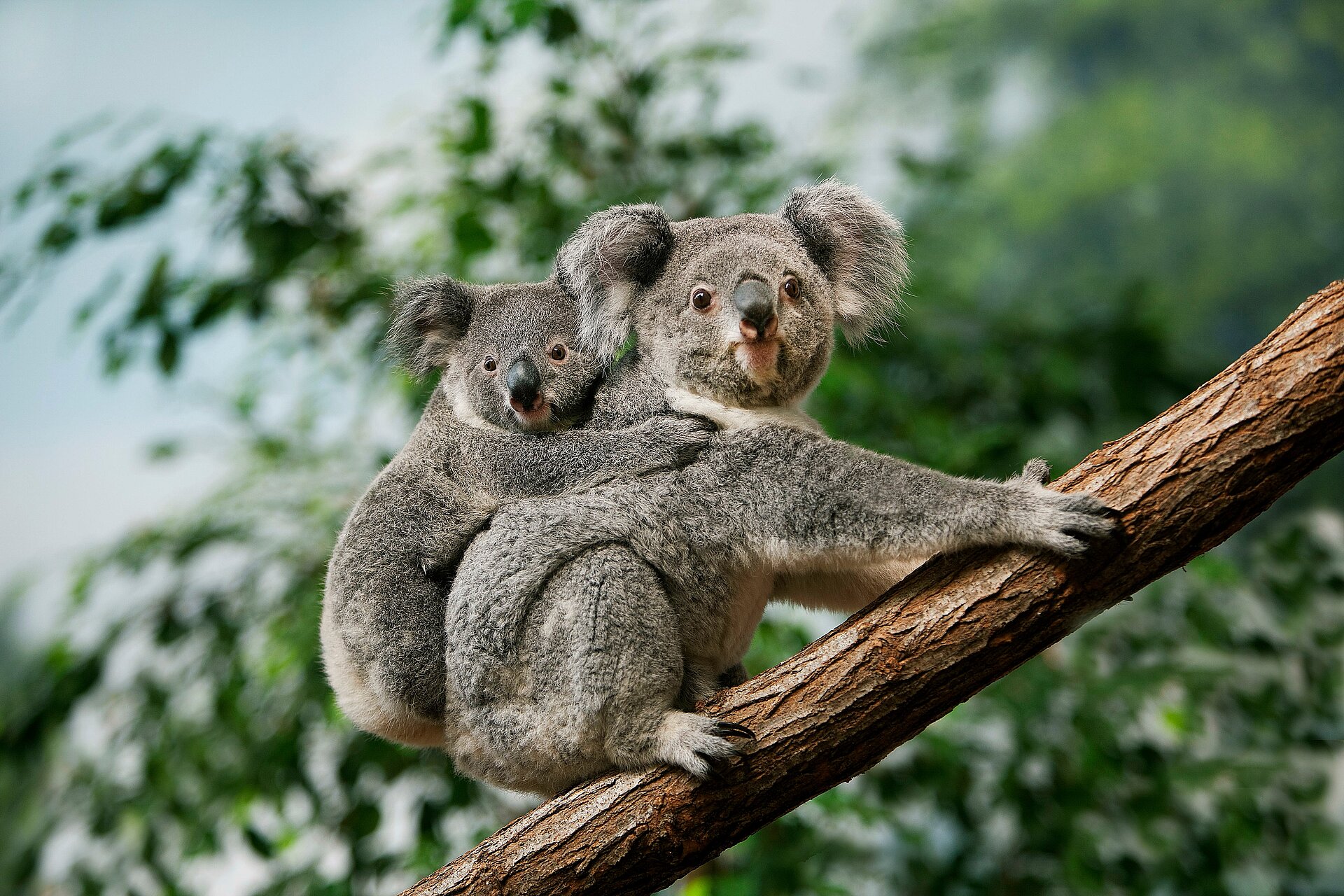
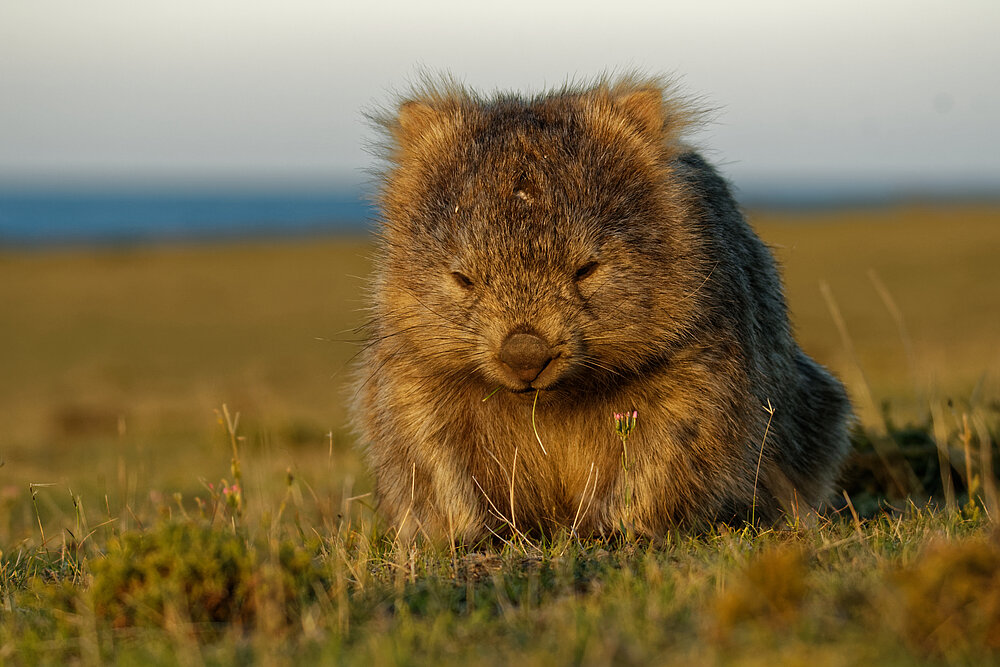
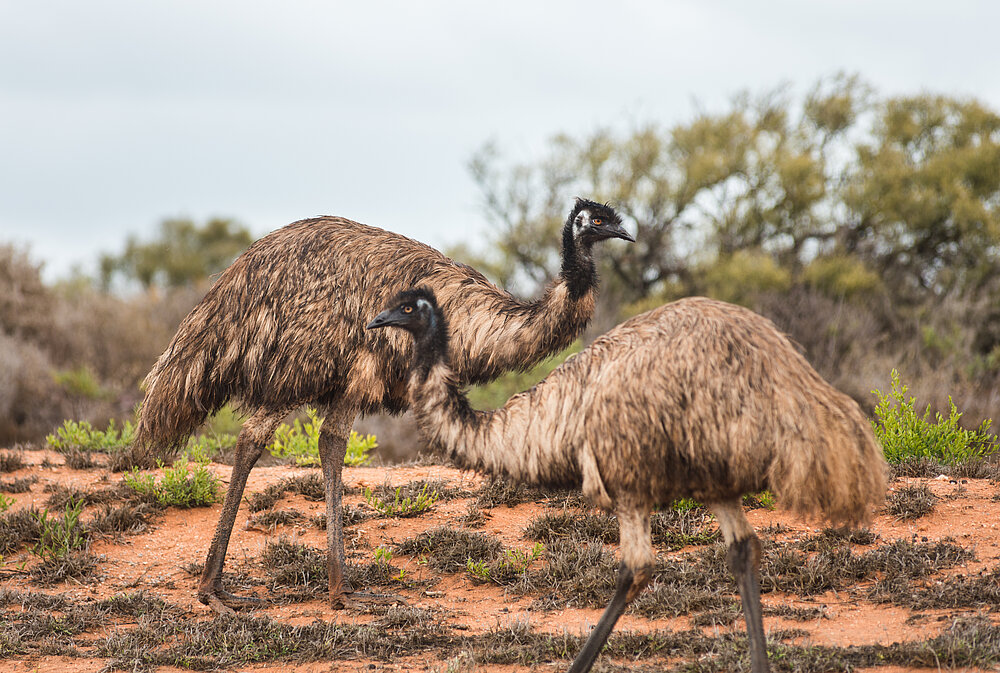
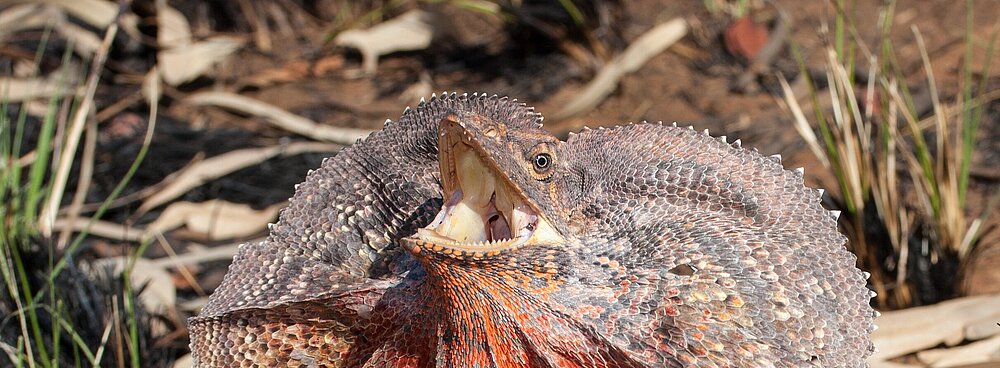
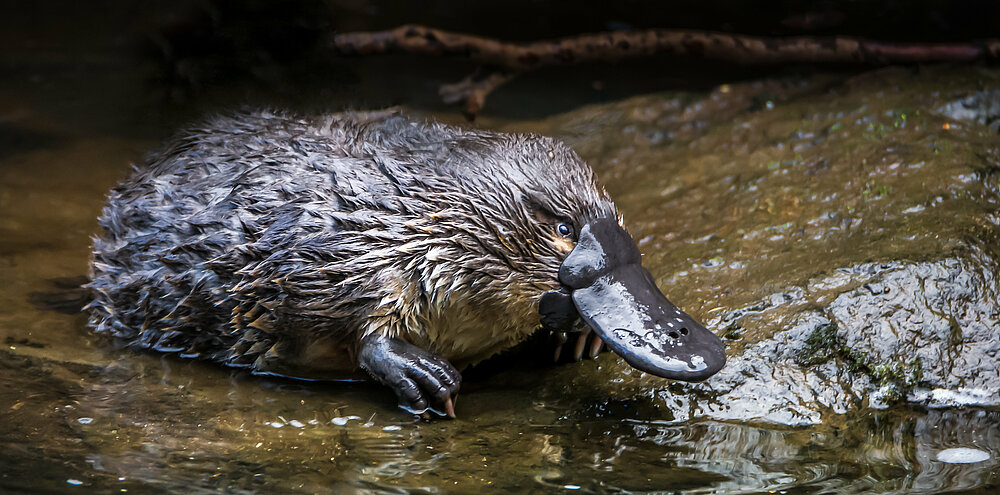
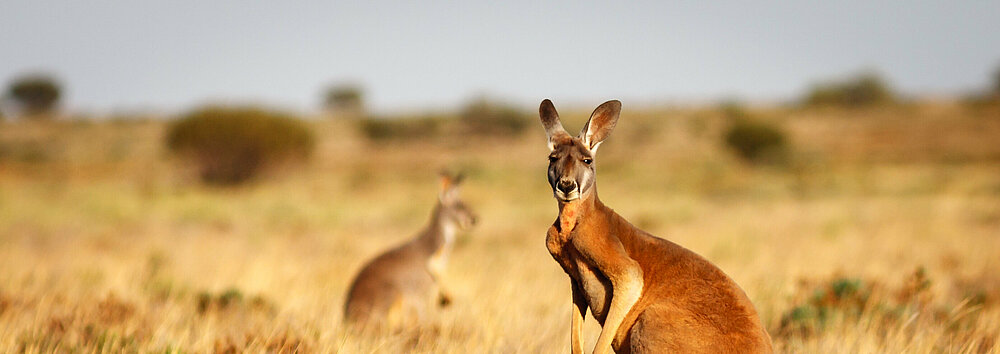
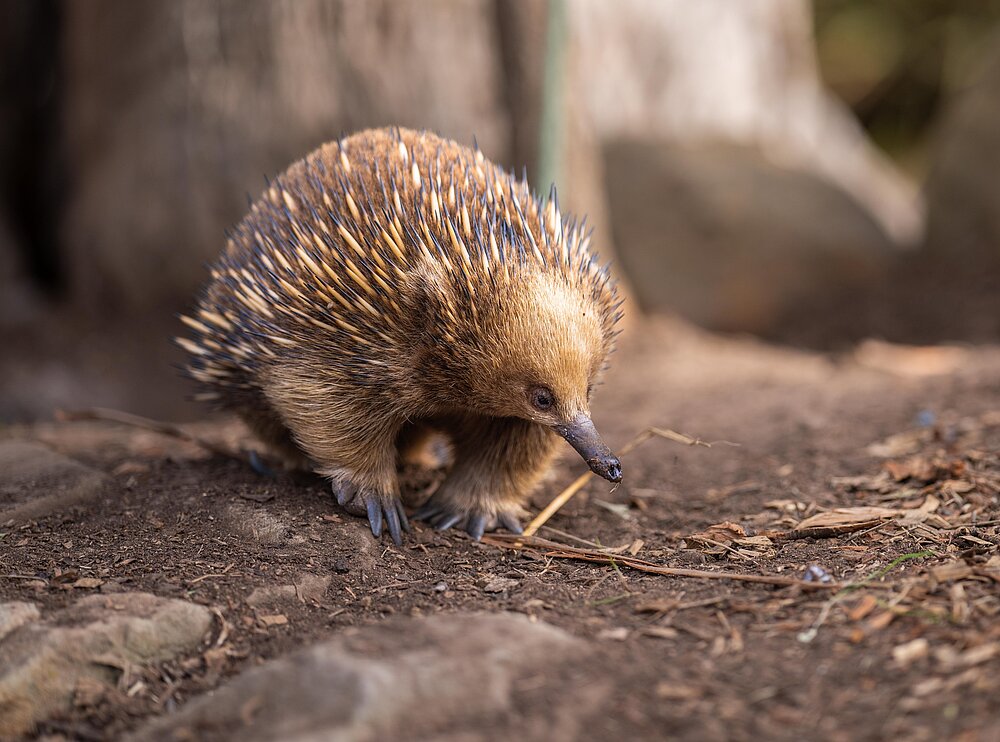
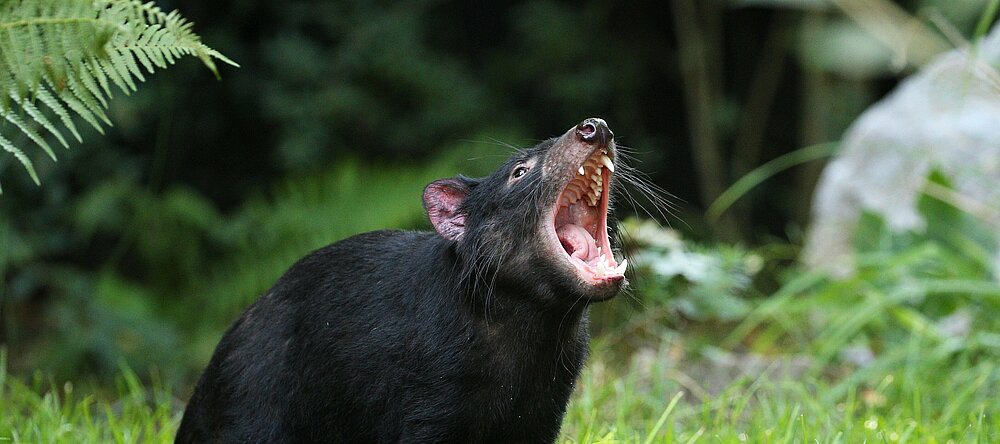
Australia is the oldest continent on earth and was isolated from other land masses for over 40 million years after its formation. This has led to the development of a biodiversity that is very different from any other continent. About 85% of plant species and 90% of reptile and insect species are endemic to Australia, meaning they do not occur anywhere else. The proportion of poisonous animals is also the highest in the world. Unlike other regions of the planet, the continent is home to unusually few placental mammals. Instead, marsupials such as wombats and koalas occupy an important part of the native fauna. Even more unusual is the group of monotremes, which includes echidnas and platypuses. Apart from Australia, they are only found in neighboring New Guinea.
Great Barrier Reef and World Heritage Sites
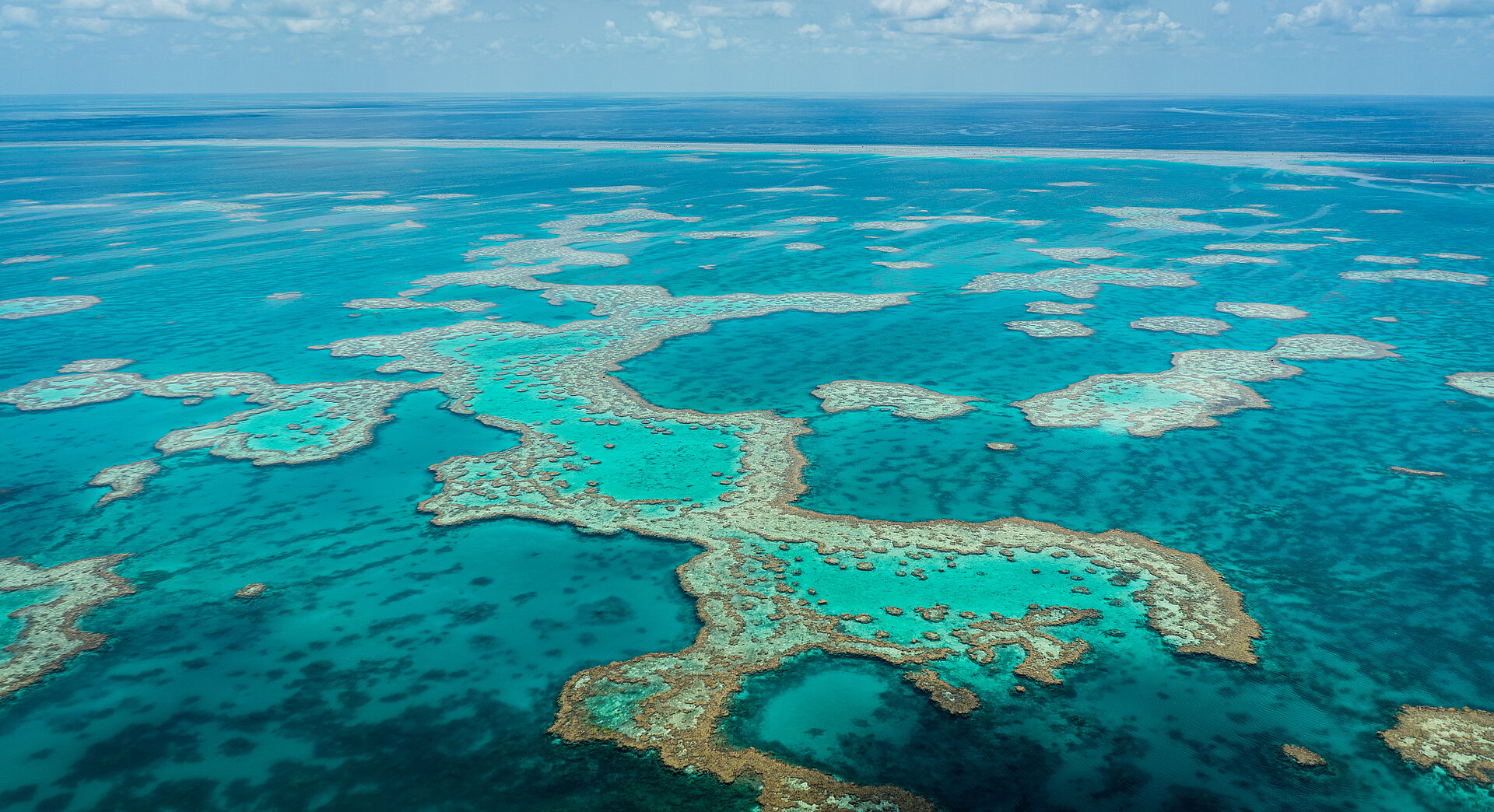
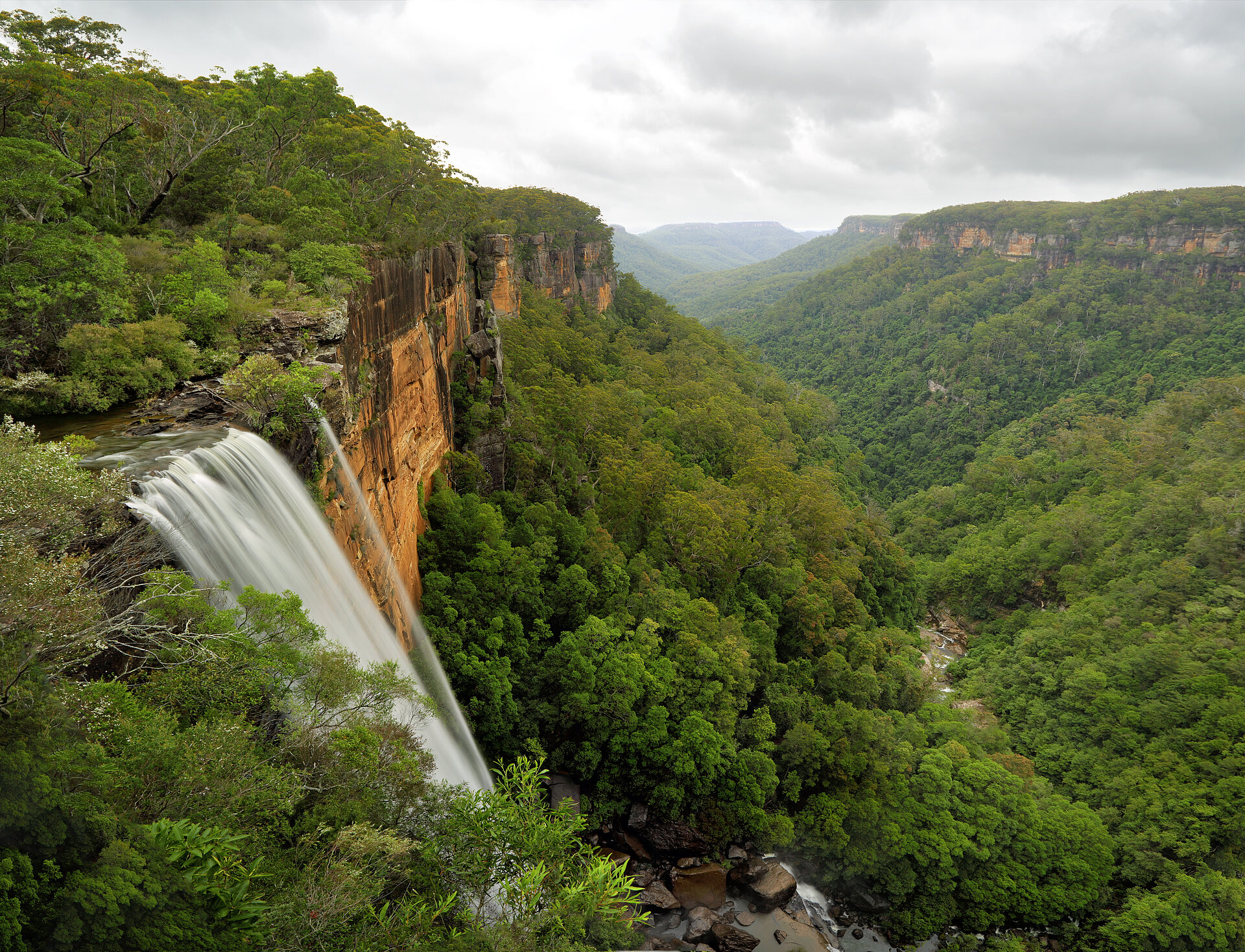
Australia's landscape comprises mountains and tropical rainforest, but is dominated by deserts and semi-deserts. It is the inhabited continent in the world. Most of the population lives in the temperate regions along the south-east coast. The Great Barrier Reef – the largest coral reef in the world – lies off the north-east coast of Australia. It covers an area of 347,800km², slightly larger than Italy, and is visible to the naked eye from space. The Great Barrier Reef is one of 20 UNESCO World Heritage Sites in Australia.
Uluru and Aboriginal art
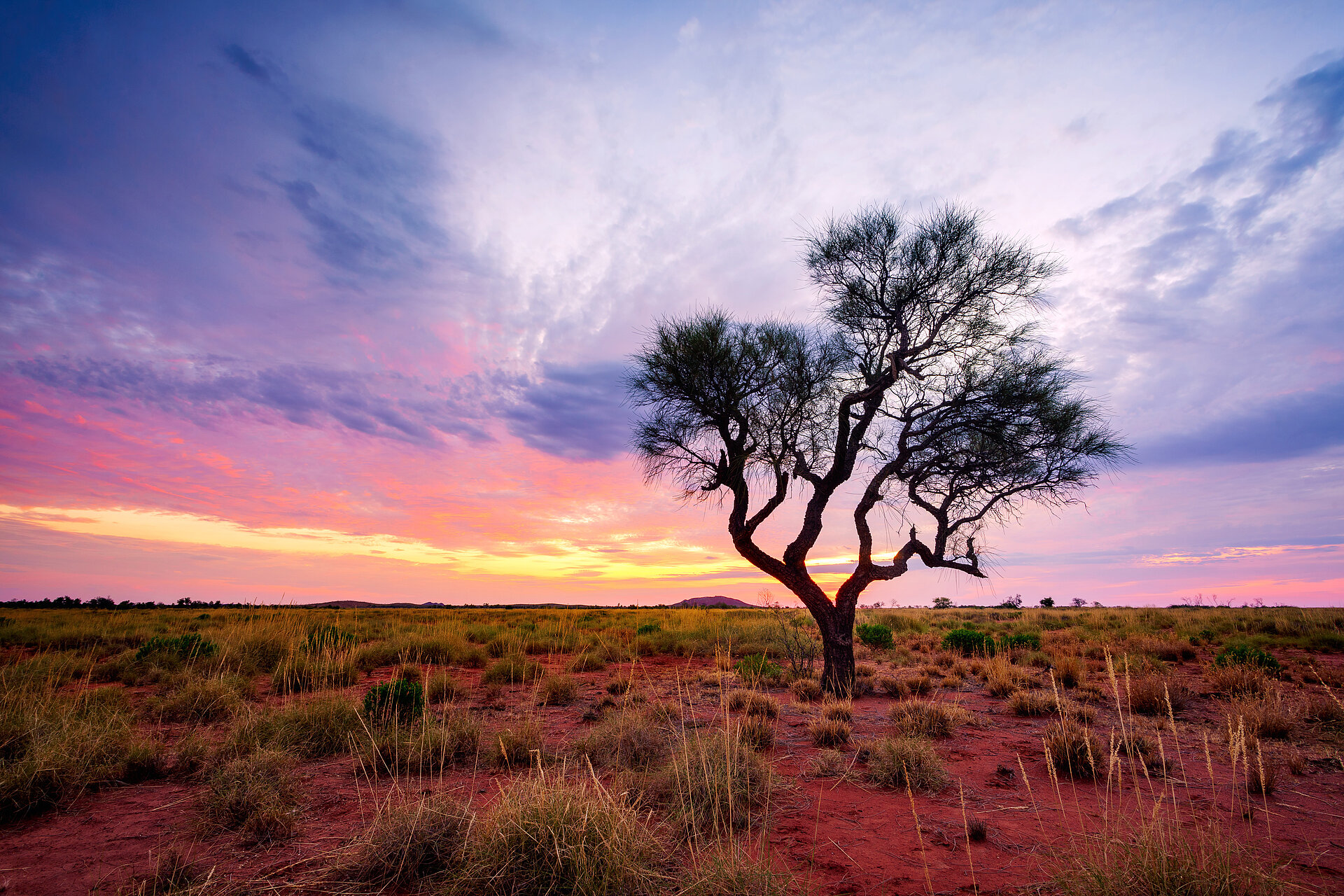
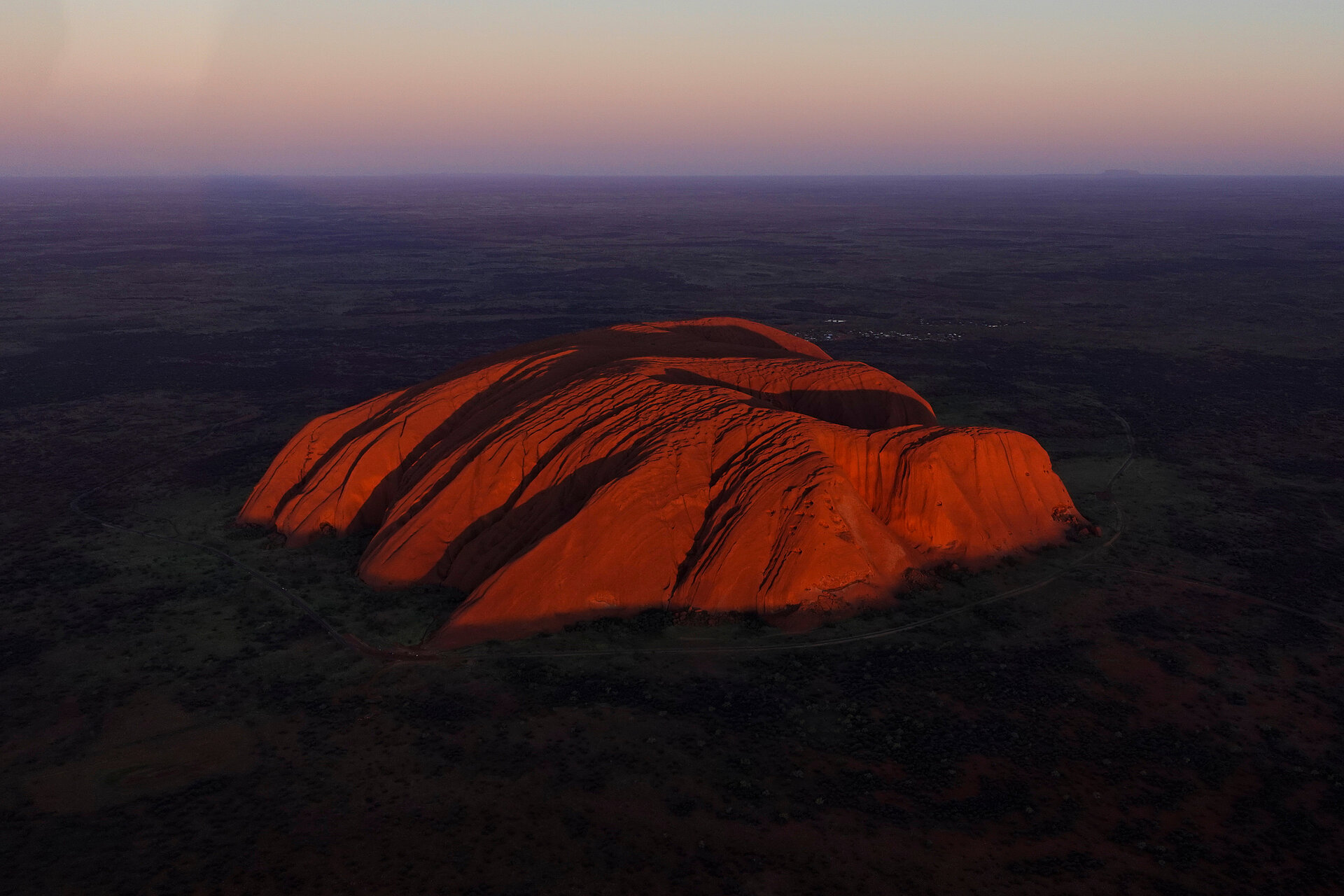
The sparsely populated wilderness areas are world-famous under the name 'Outback'. A spectacular sight in the outback is Uluru, or Ayers Rock. The sandstone formation is 348 m (1,142 ft) high and is a sacred place with spiritual powers for the Aborigines of the region. It is also one of Australia's UNESCO World Heritage Sites. Several caves at Uluru contain rock paintings. With works up to 40,000 years old, Aboriginal art is one of the oldest art traditions in the world. Their motifs mainly depict the wild life or the Australian Aboriginal mythology, the so-called ‘Dreamtime’.
Origin of the name Australia
The name Australia is derived from the ancient Latin term ‘Terra Australis’. It means ‘southern land’ and was used in a series of nautical charts from the 16th century for a legendary southern continent. Navigators such as James Cook and the Dutchman Abel Tasman, after whom the island of Tasmania was later named, attempted to locate it on their important voyages of discovery.