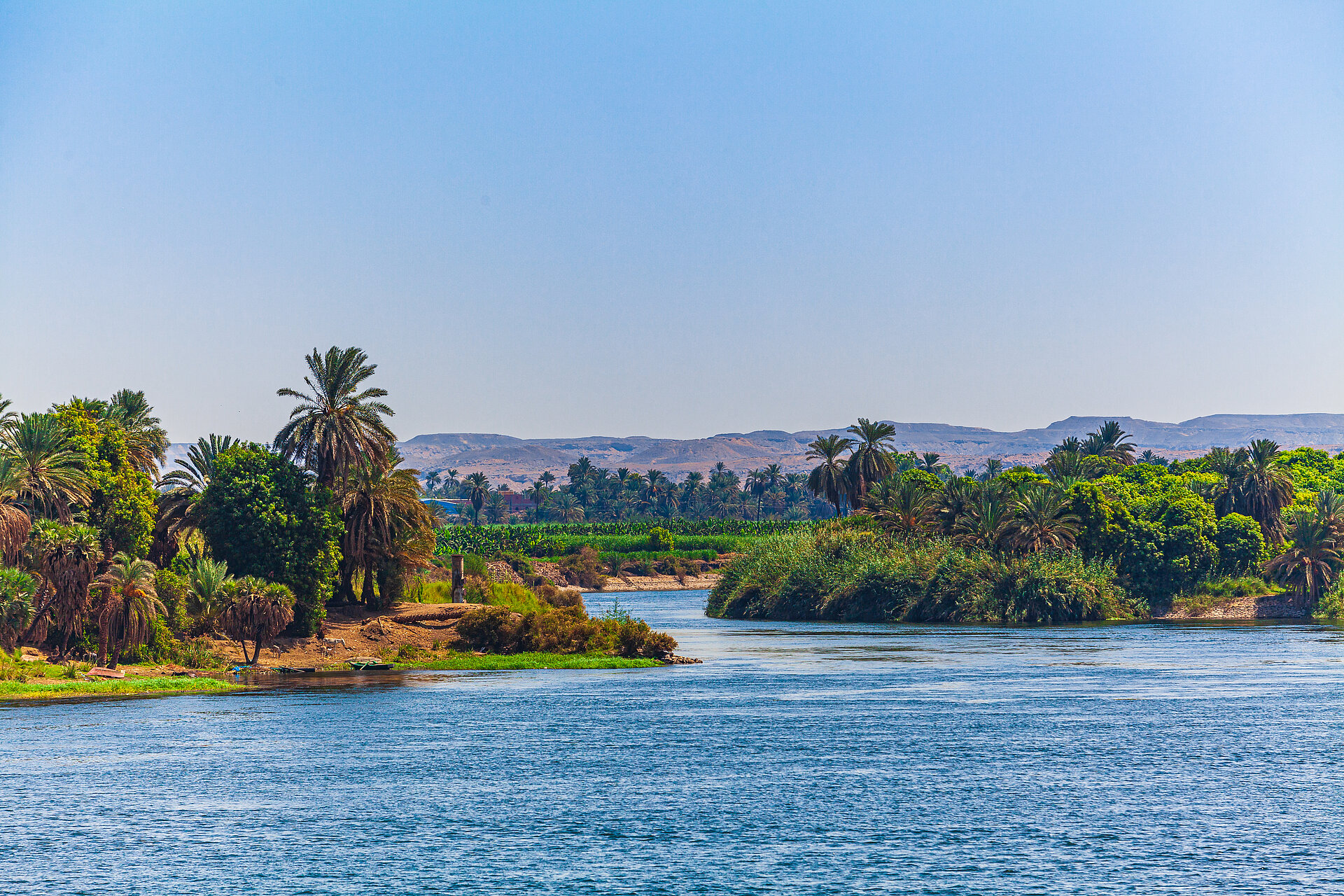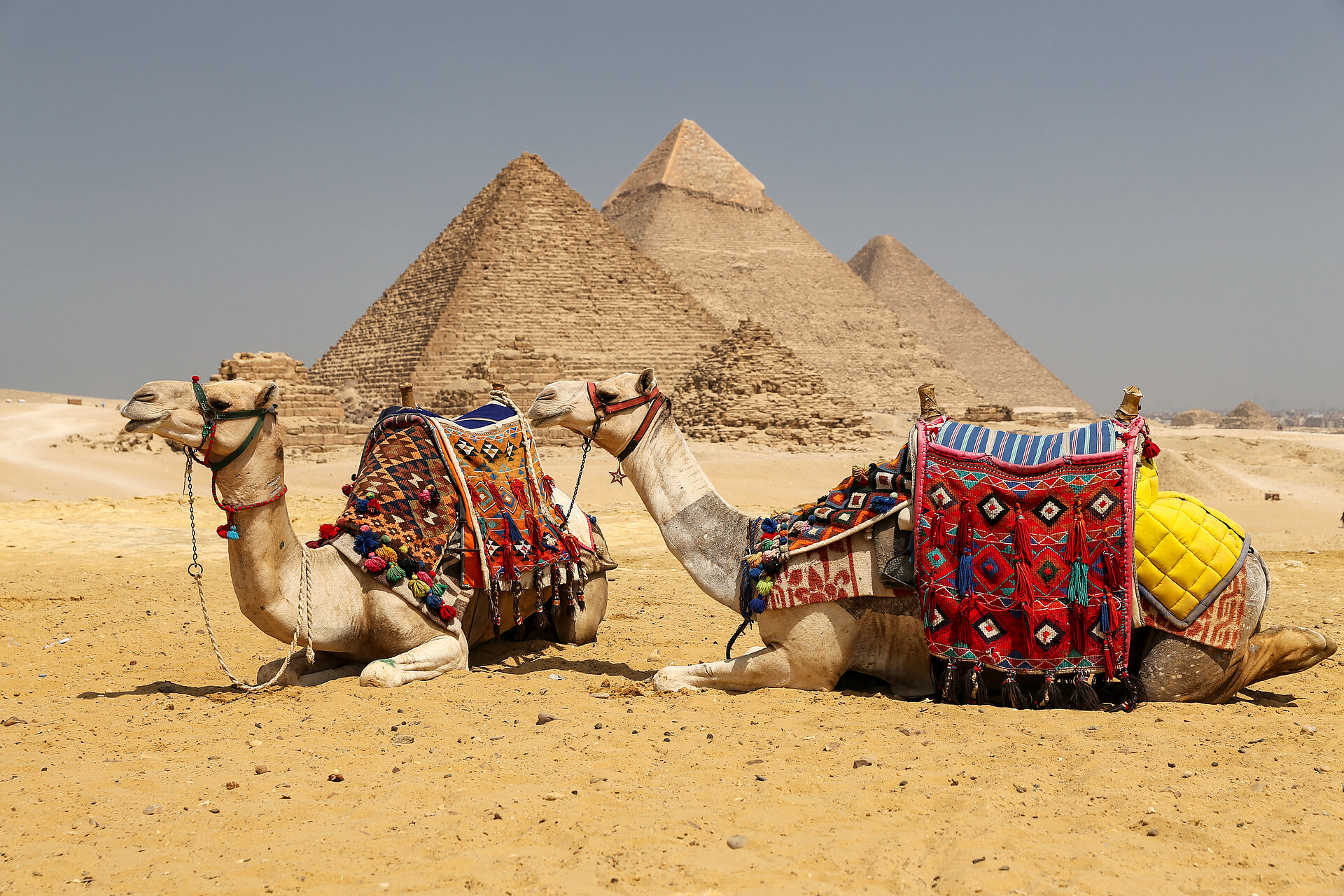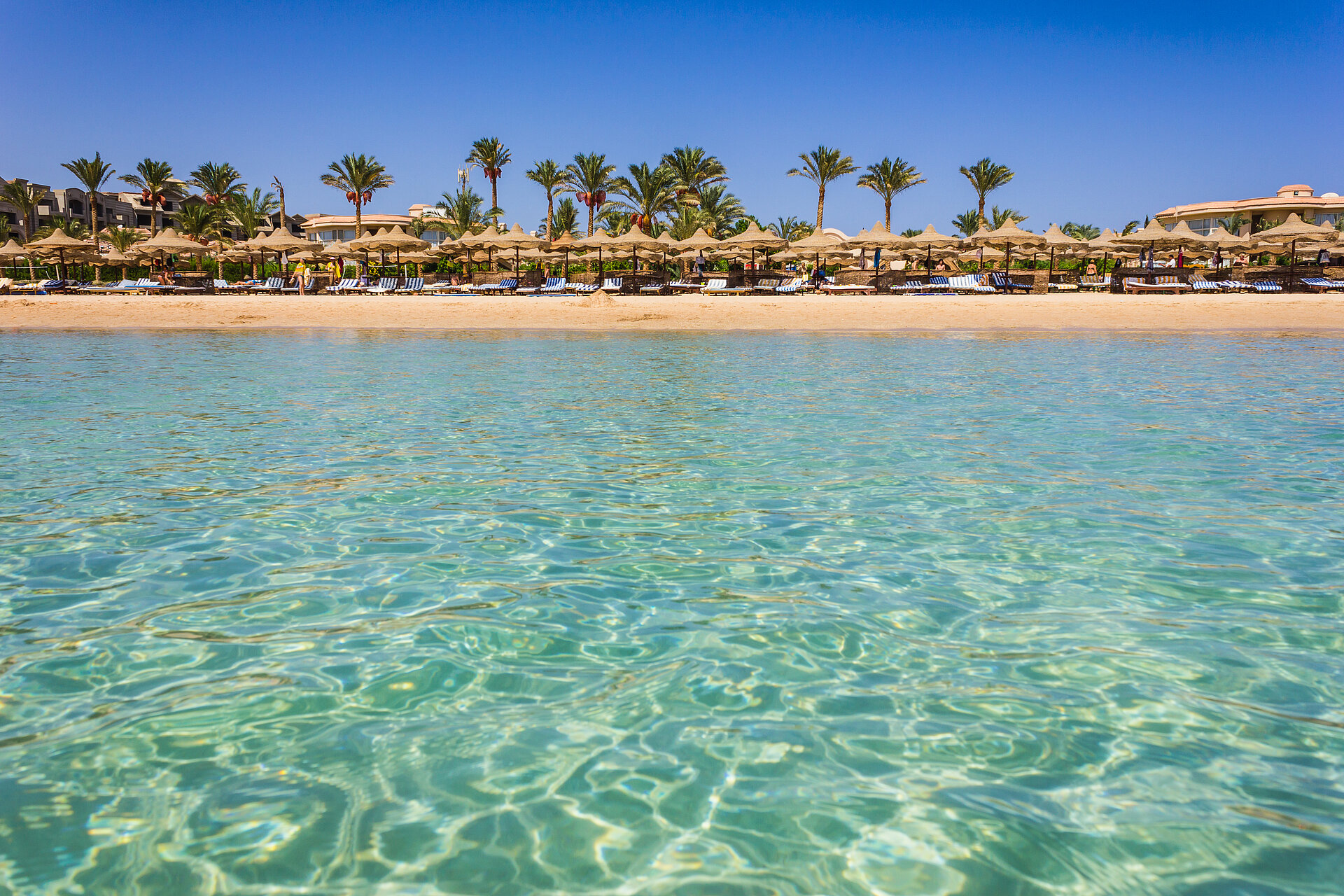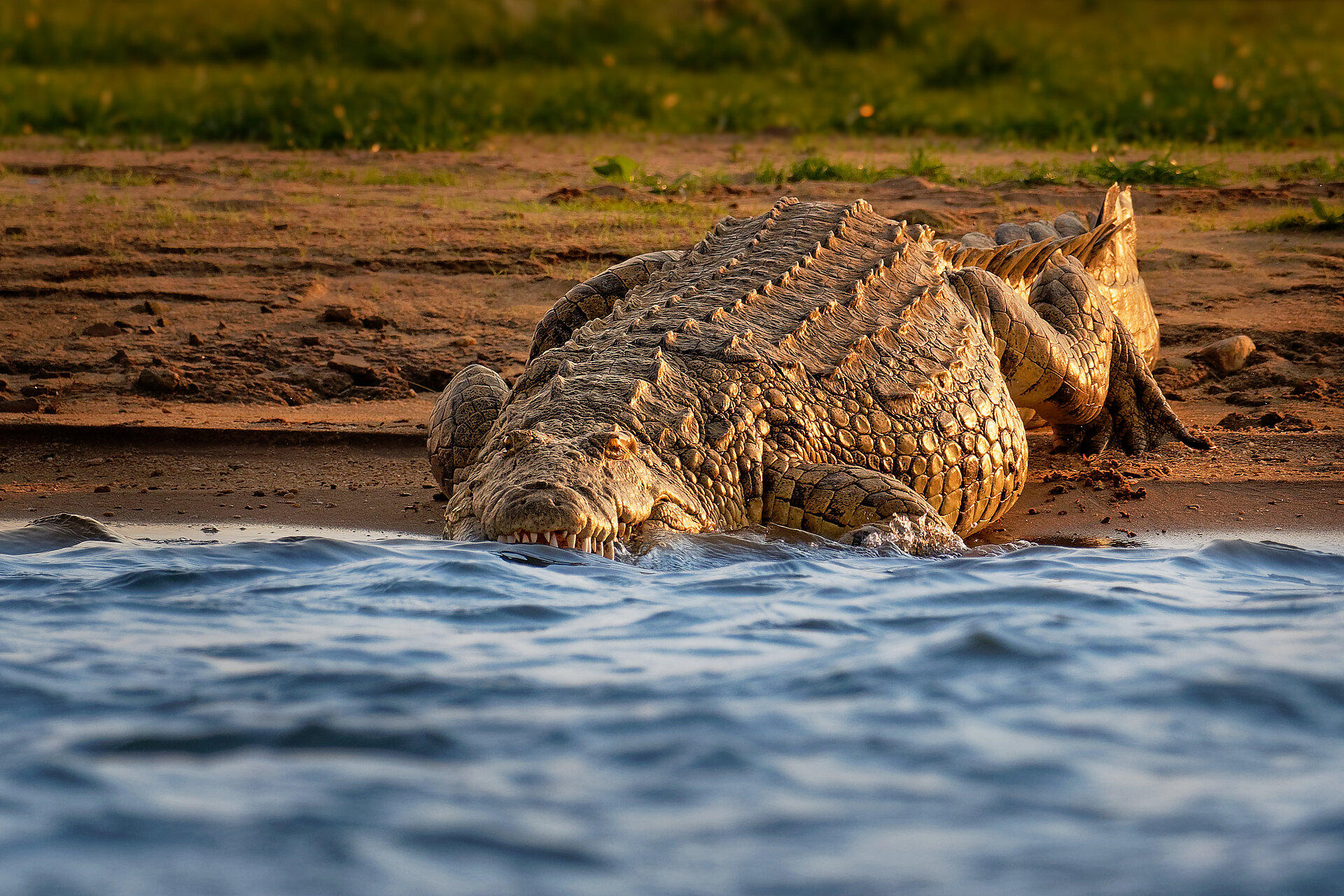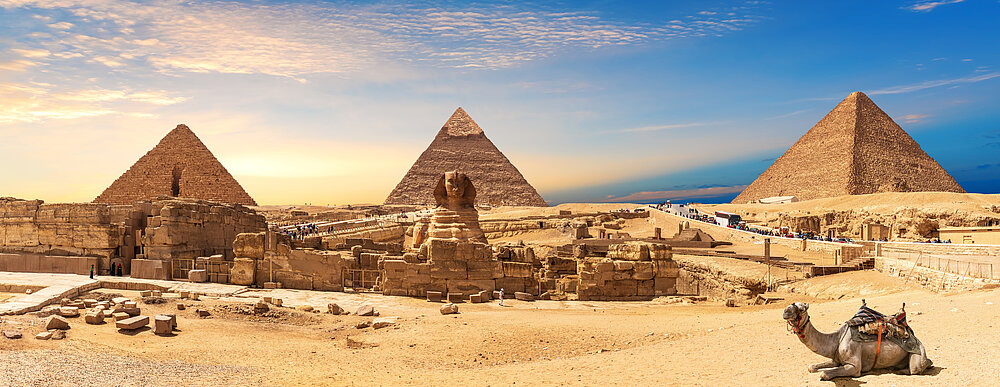

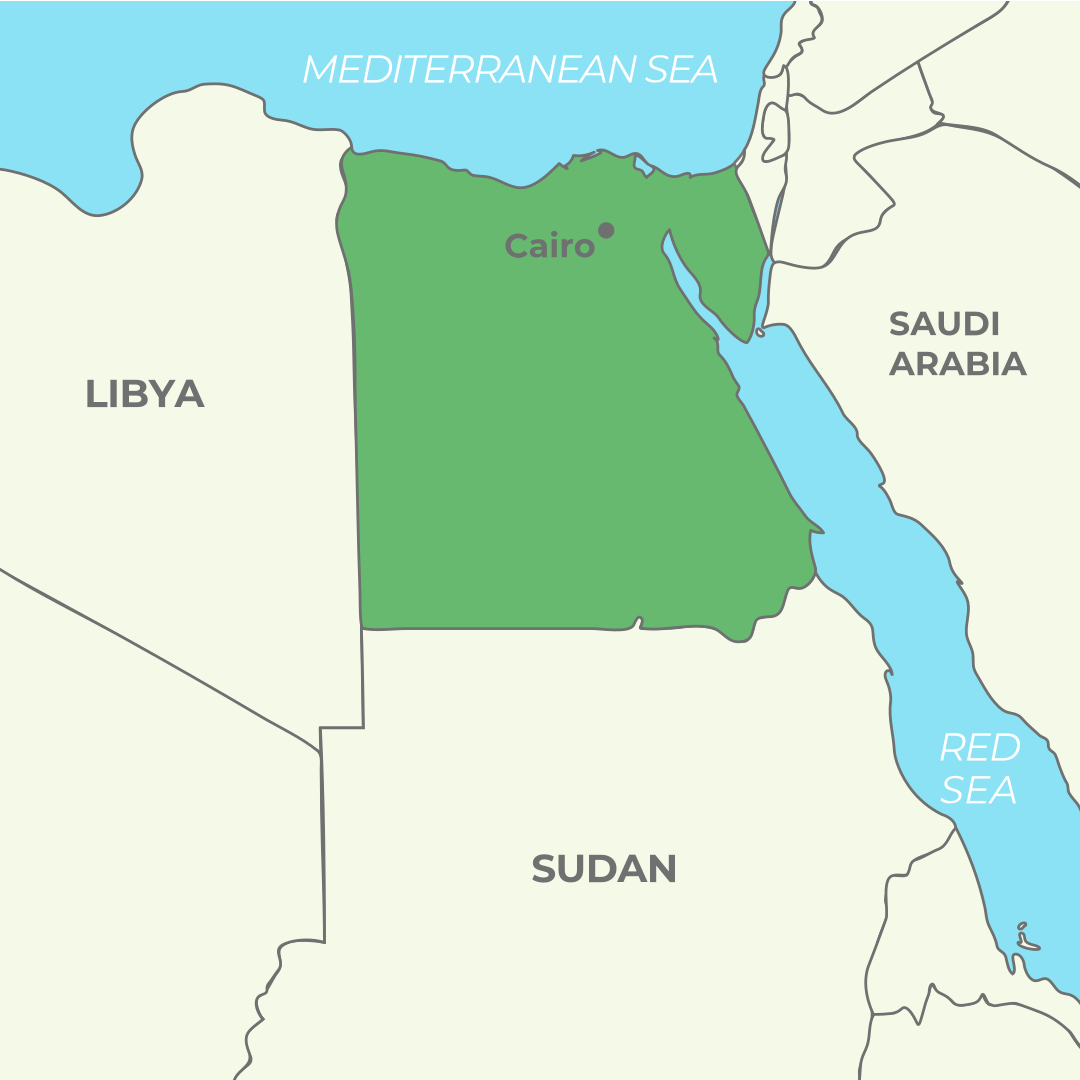
The Arab Republic of Egypt is located in northeastern Africa, bordering the Mediterranean Sea and the Red Sea, with the part of the national territory on the Sinai Peninsula belonging to Asia. Its capital, Cairo, is the largest city in the Arab world. The advanced civilization that developed in the Nile Delta around 3100 BC was among the first in human history, producing one of the earliest forms of writing, a complex religion, and revolutionary agricultural methods. Monuments such as the Pyramids of Giza bear witness to the extraordinary architectural achievements of the ancient Egyptians. Alexander the Great conquered the country in 332 BC and Hellenized the culture. From 30 BC, Egypt was part of the Roman Empire and became its most economically important province. The Islamic conquest in 639 was followed by Ottoman rule in 1517. Due to the construction of the Suez Canal in 1869, Egypt became heavily indebted and came under British administration. After nationalist uprisings, the country was occupied by the United Kingdom in 1882 until it gained its independence in 1922. Apart from the Nile Valley, Egypt's landscape is characterized by desert. The Nile, the world's longest river and Egypt's lifeline, flows into the Mediterranean at the Nile Delta.
Facts
- Capital and largest city: Cairo
- Official language: Arabic
- Area: 1,001,450 km² (386,662 sq mi)
- Population: 109,546,720 (2023 estimate)
- Independence from the United Kingdom: 28th February 1922 (recognized)
Monuments of the god-kings
Thanks to the works of Greek and Roman historians, Egypt was already a world full of myths and secrets in antiquity. The huge buildings, even by today's standards, astonished travelers of past centuries and fired their imagination. They bear witness to the god-like veneration of the kings (known as pharaohs) and the mathematical skills of Egyptian architects. The stories not only gave rise to a separate field of archaeology, but also became a major theme in Western pop culture. Some even attribute the construction of the gigantic building projects with the involvement of extraterrestrials.
The fall of the ancient kingdom
In 332 BC, the Macedonian king Alexander the Great conquered the country. He ended Persian rule and rebuilt some of the destroyed temples. In gratitude, the Egyptians apparently revered him greatly. Alexandria, which he founded in 331 BC, became the new capital and one of the largest economic centers on the Mediterranean. Two buildings from the Hellenistic period are particularly famous: the Lighthouse and the Library of Alexandria. Before Egypt became a Roman province, it was for a long time the last independent kingdom on the Mediterranean. Its last ruler, Cleopatra VII, played an important role in the transformation of the Roman Republic into an empire through her relationships with Gaius Julius Caesar and Marcus Antonius, and suffered the decisive defeat against Octavian at the Battle of Actium in 31 BC.
The Muslim conquest reached Egypt in 639 under the command of Amr ibn al-As, a companion of the Prophet Muhammad. Near the Nile Delta and the ancient capital of Memphis, the Arabs founded the new capital of Fustat, from which Cairo, the largest city in the Arab world, finally emerged in 969 during the Fatimid Caliphate.
Deciphering of hieroglyphs and the curse of the pharaohs
A significant trigger of the so-called Egyptomania was Napoleon's Egyptian campaign between 1798 and 1801, during which the Rosetta Stone was found. This stone dates back to the Ptolemaic reign in 196 BC and the decree written on it in three languages (Ancient Egyptian, Demotic and Ancient Greek) led to the deciphering of Ancient Egyptian hieroglyphs in 1822. Exactly one hundred years later, another sensation occurred with the discovery of King Tutankhamun's tomb. It contained over 5,000 artifacts, including the mummy and the golden death mask of the pharaoh. While the mask became one of the most recognizable symbols of Ancient Egypt, legends of the "Curse of the Pharaohs" spread around the world, as a number of people died during or shortly after the excavations.
UNESCO World Heritage Sites
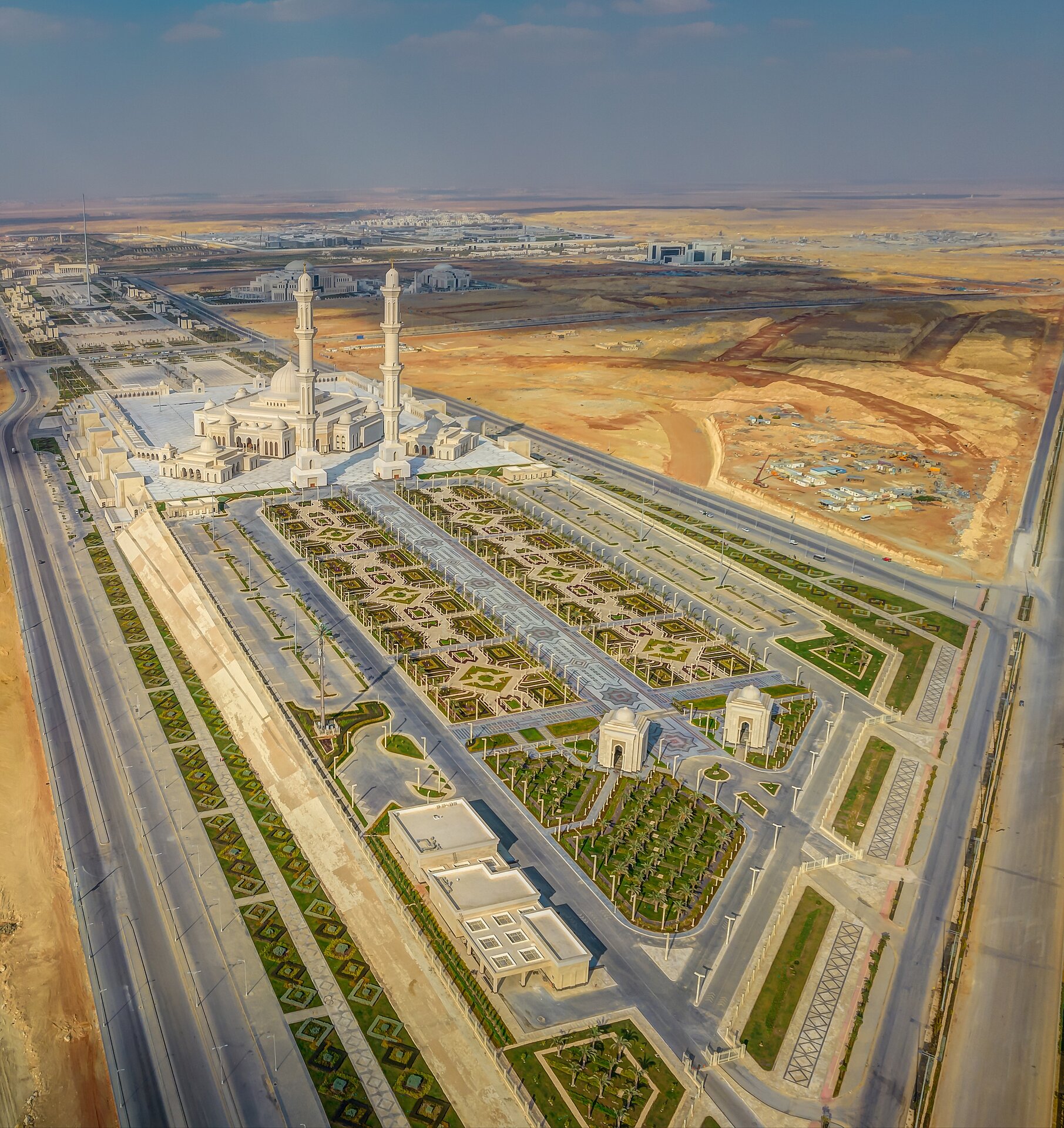
In addition to ancient monuments such as the Great Sphinx of Giza or the temples of Abu Simbel, remarkable modern buildings are also being erected in Egypt. An unprecedented new project began in 2015: the construction of the New Administrative Capital. Located about 45 km (28 miles) east of Cairo, it is already home to both the largest church and the largest mosque in Egypt. UNESCO has so far declared seven World Heritage Sites in Egypt.