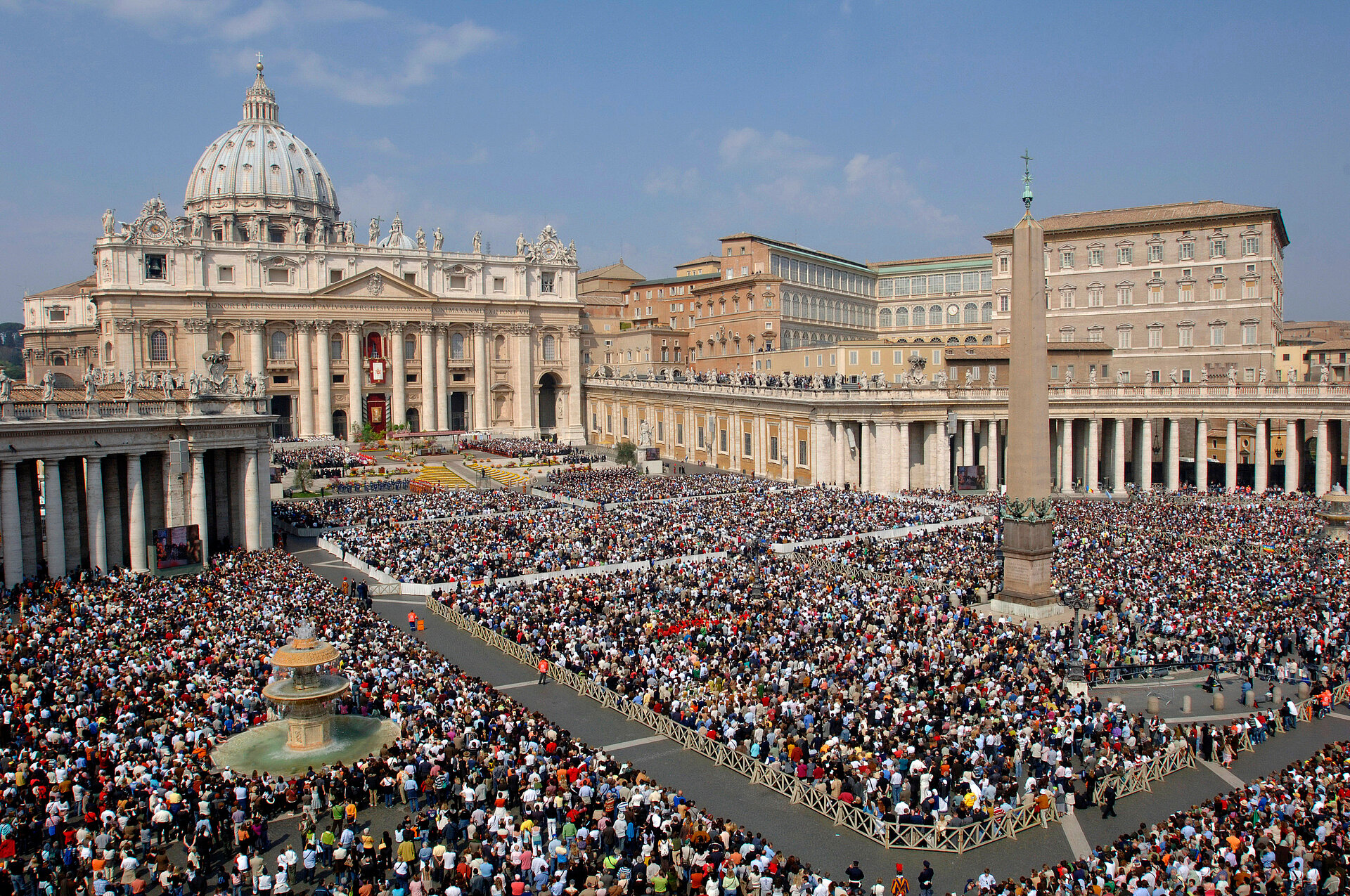
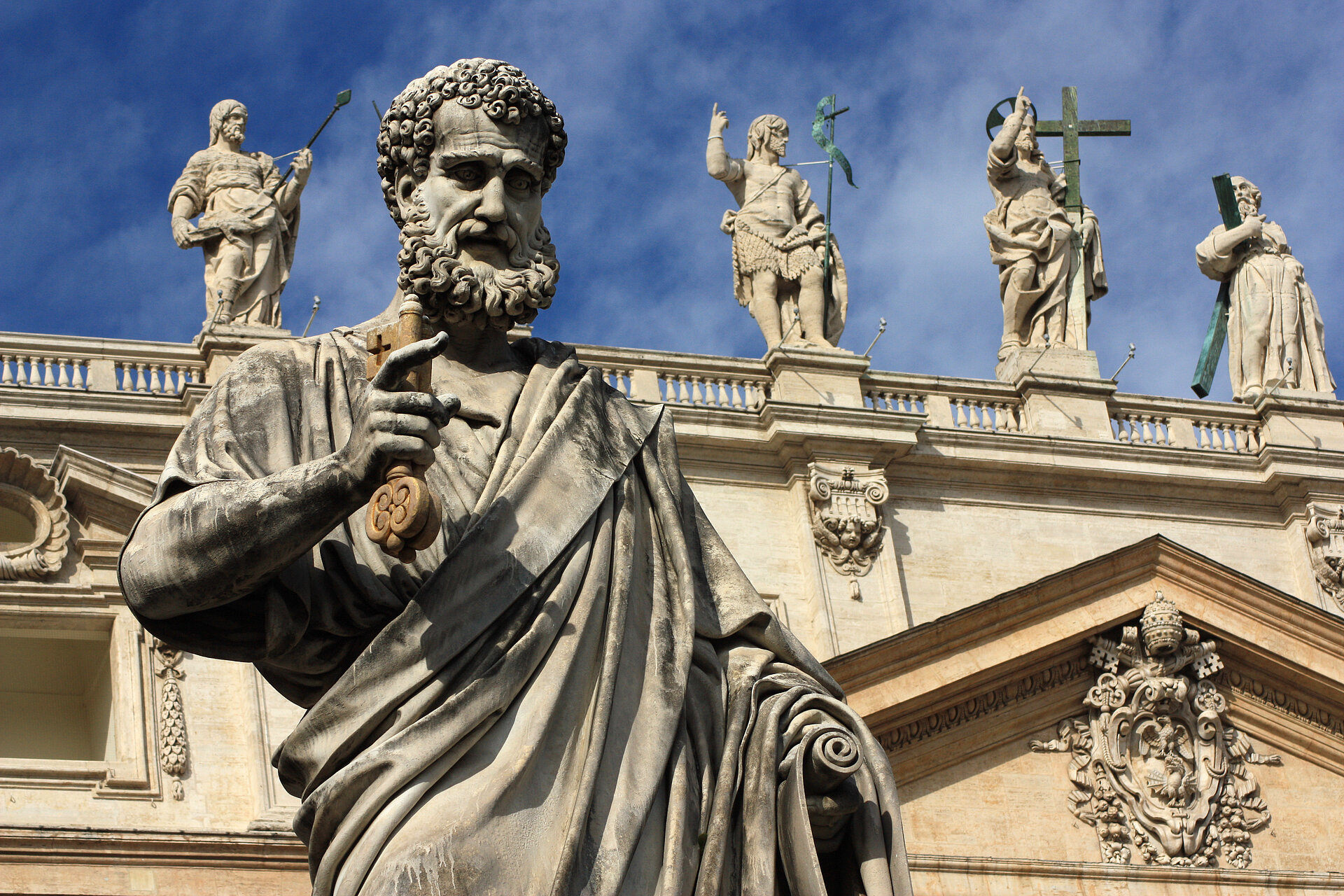
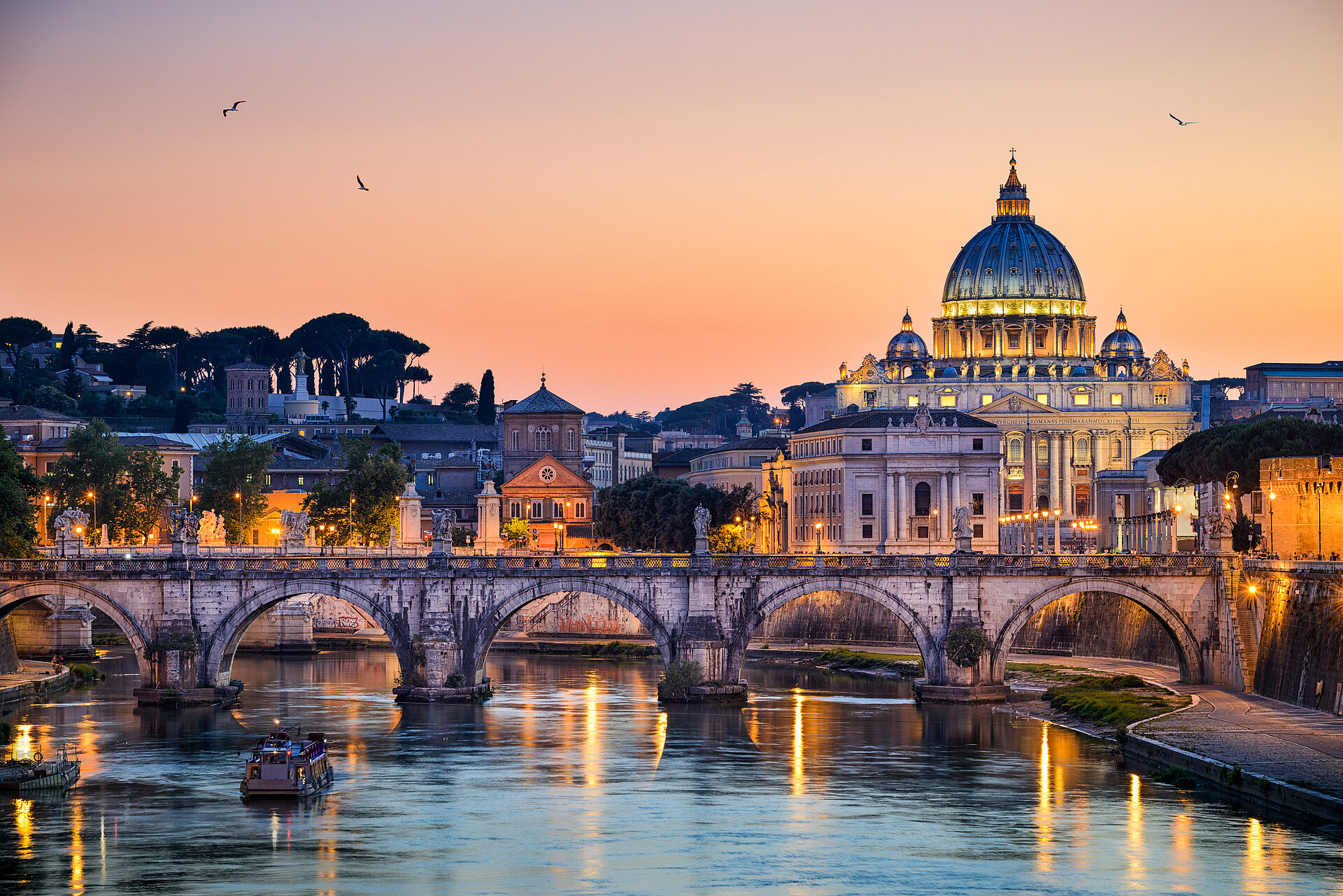
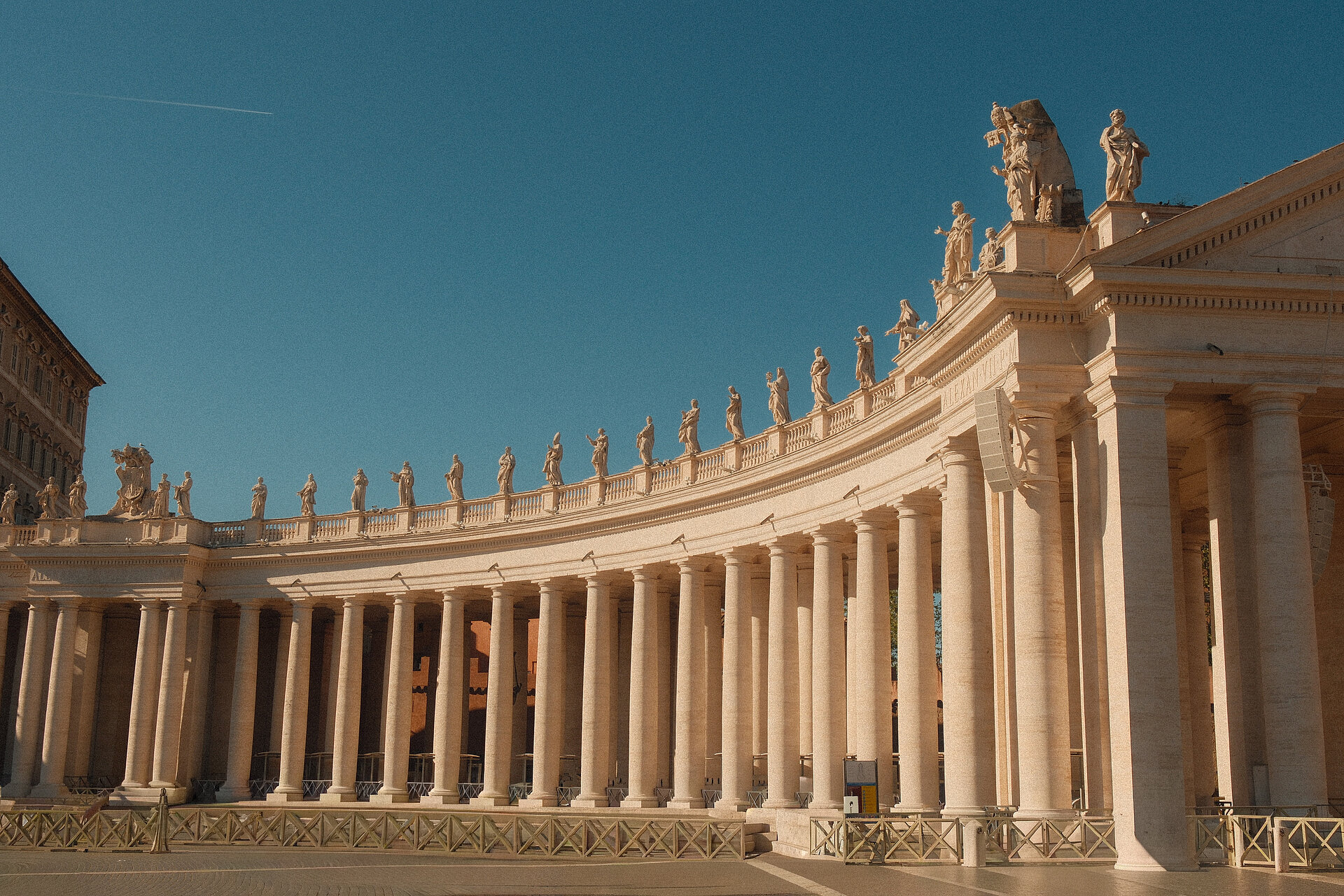
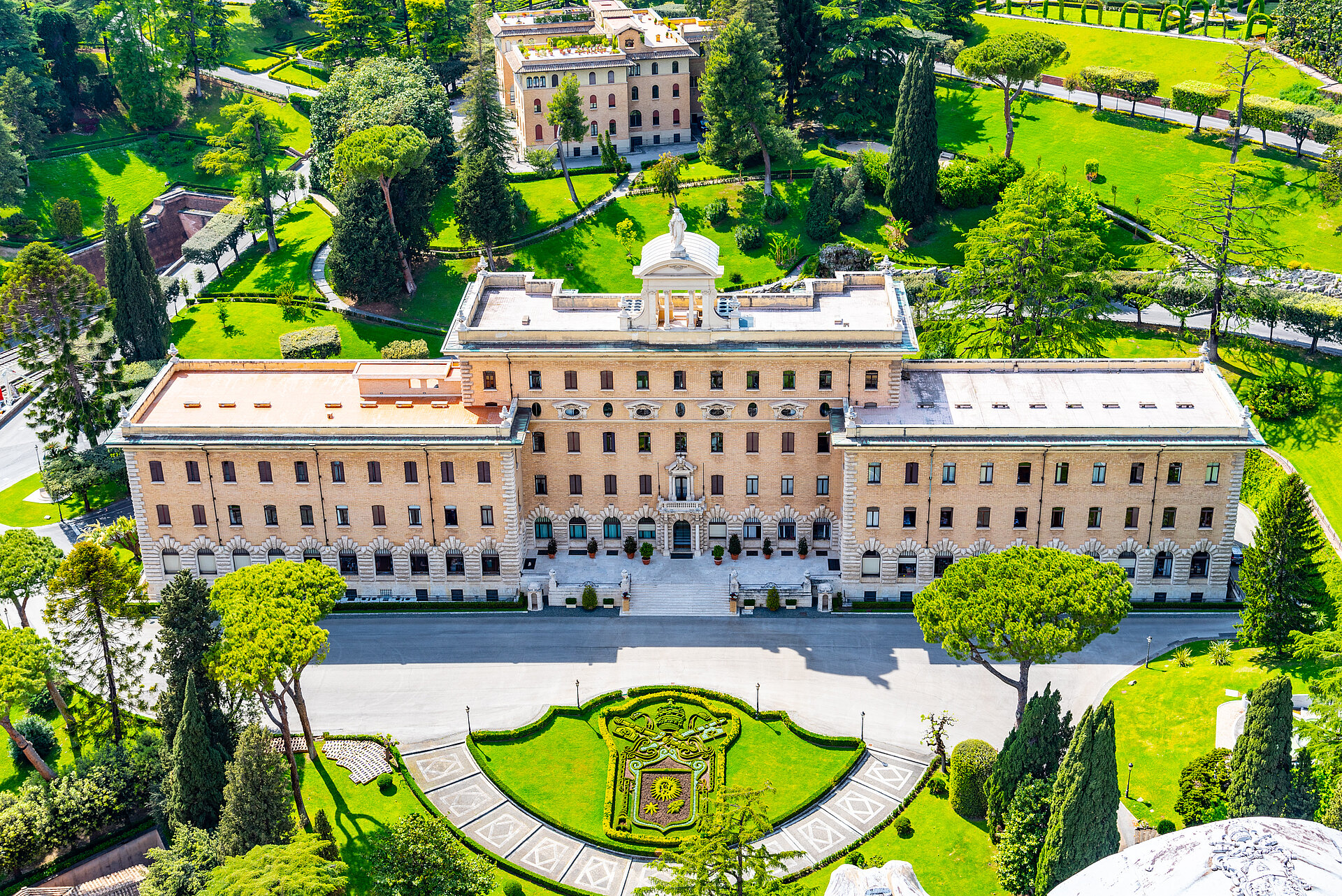
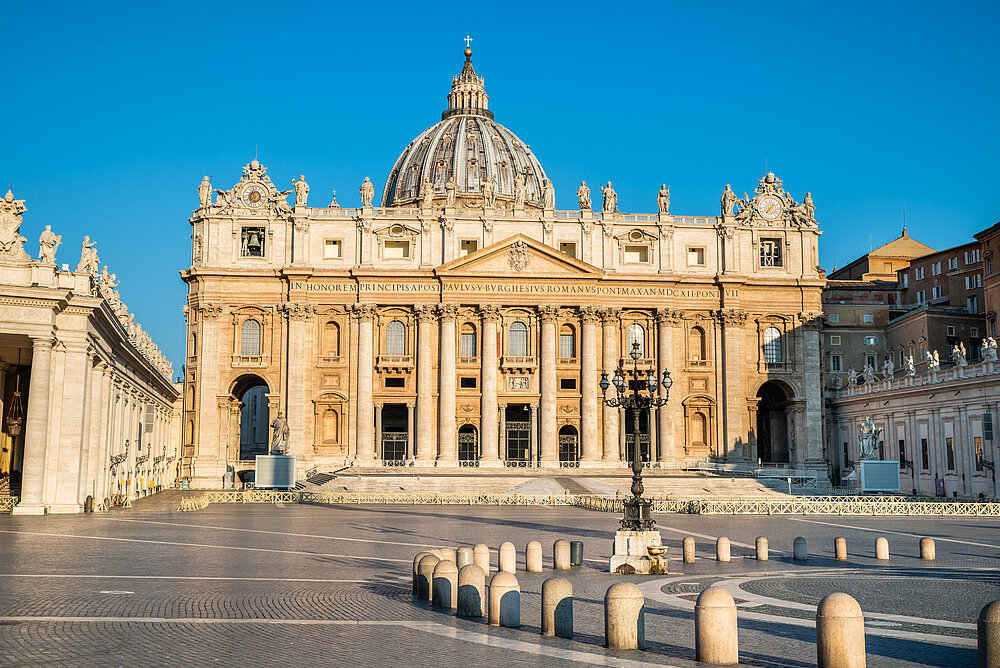
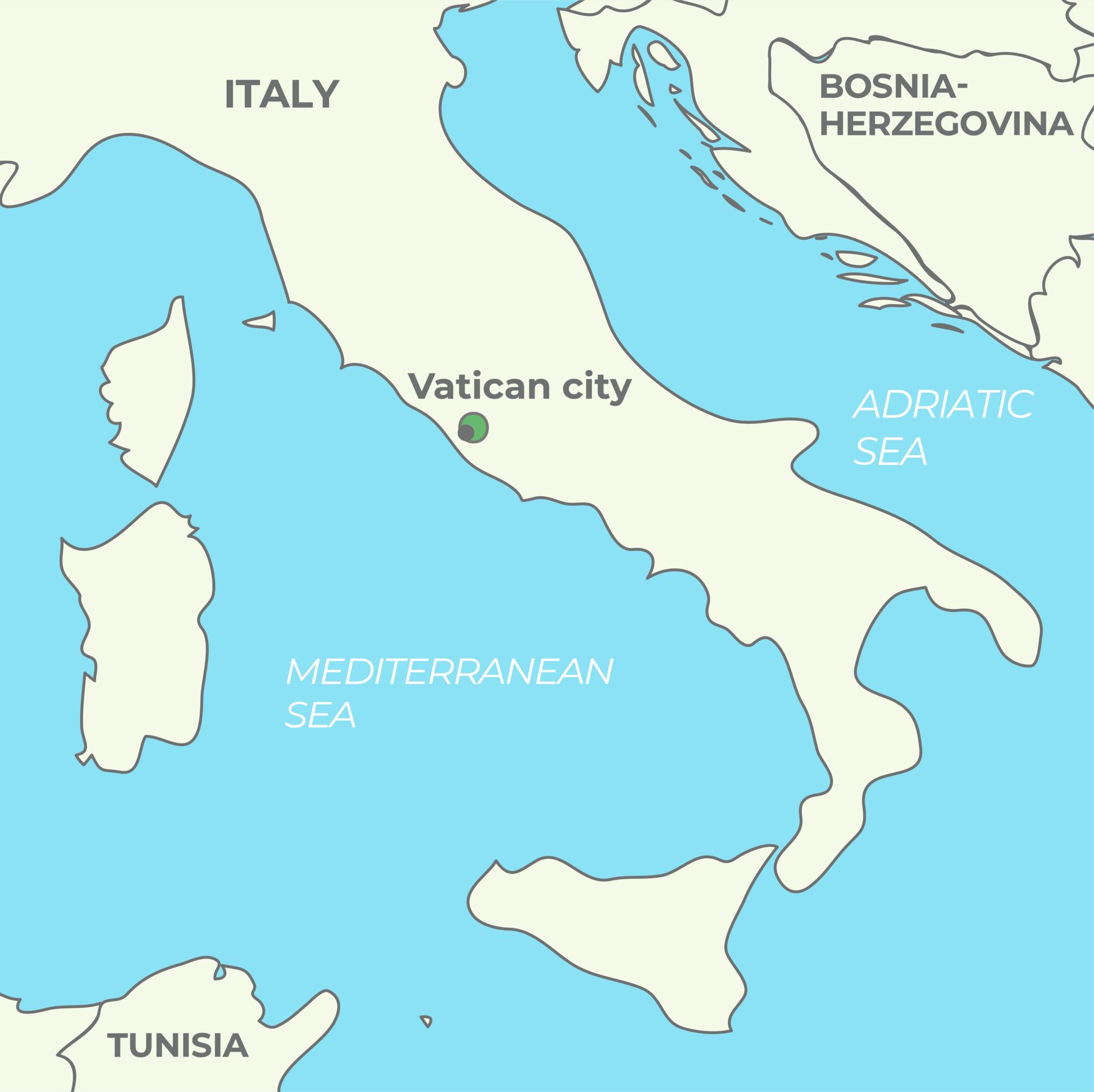
Vatican City is a microstate within Rome and the smallest internationally recognized state in the world. Moreover, it is the last absolute monarchy in Europe. The head of state is the Pope. According to Christian tradition, the Vatican originated on the burial site of the Apostle Peter, who is considered the first bishop of Rome and thus the founder of the papacy. After being stripped of his power by the Italian king in 1870, the Pope lost his legal sovereignty. It was not until the Lateran Treaty of 1929 that the political and territorial relationship between Italy and the Vatican State was regulated. The Vatican renounced territories of the old Papal States, but in return received independence and the right to mint its own coins.
Facts:
- Capital: Vatican City
- Official language: Italian
- Area: 0.44 km2 (0.17 sq mi)
- Population: 882 (2024 estimate)
- Establishment: 11th February 1929 (Lateran Treaty)
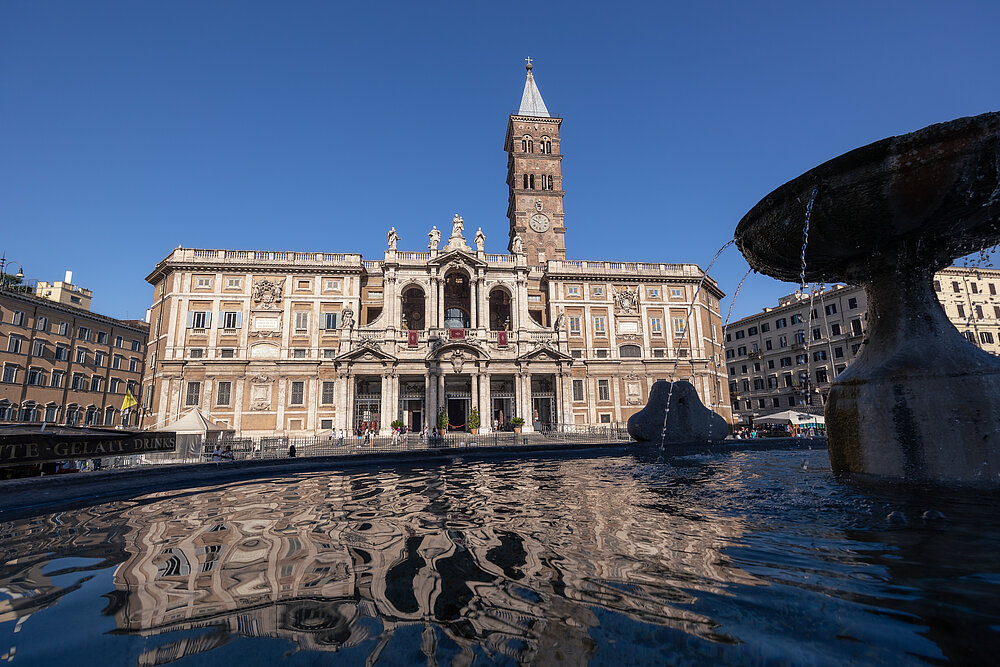
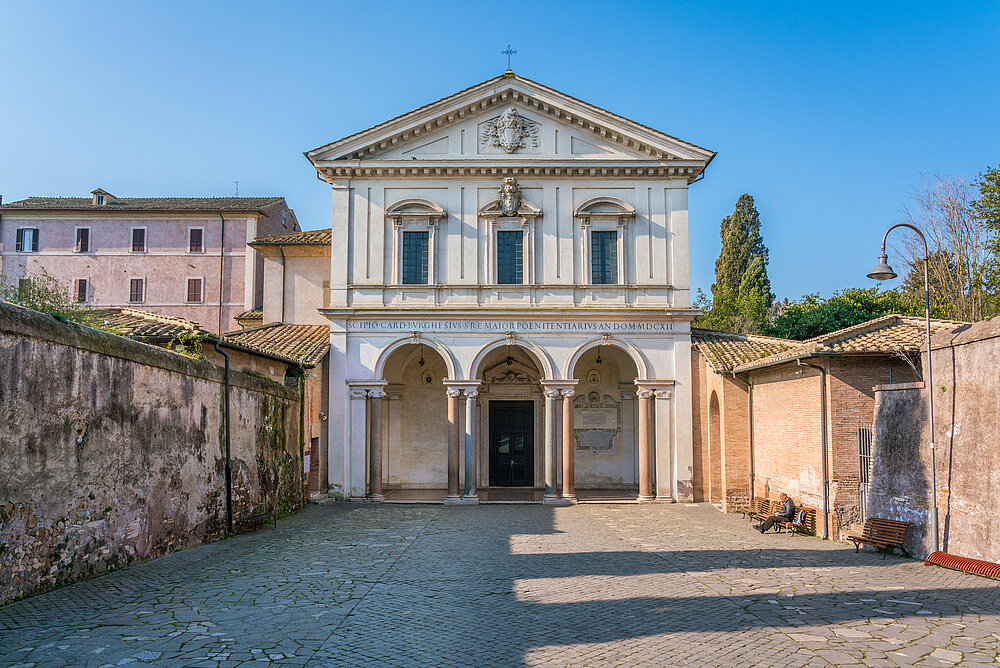
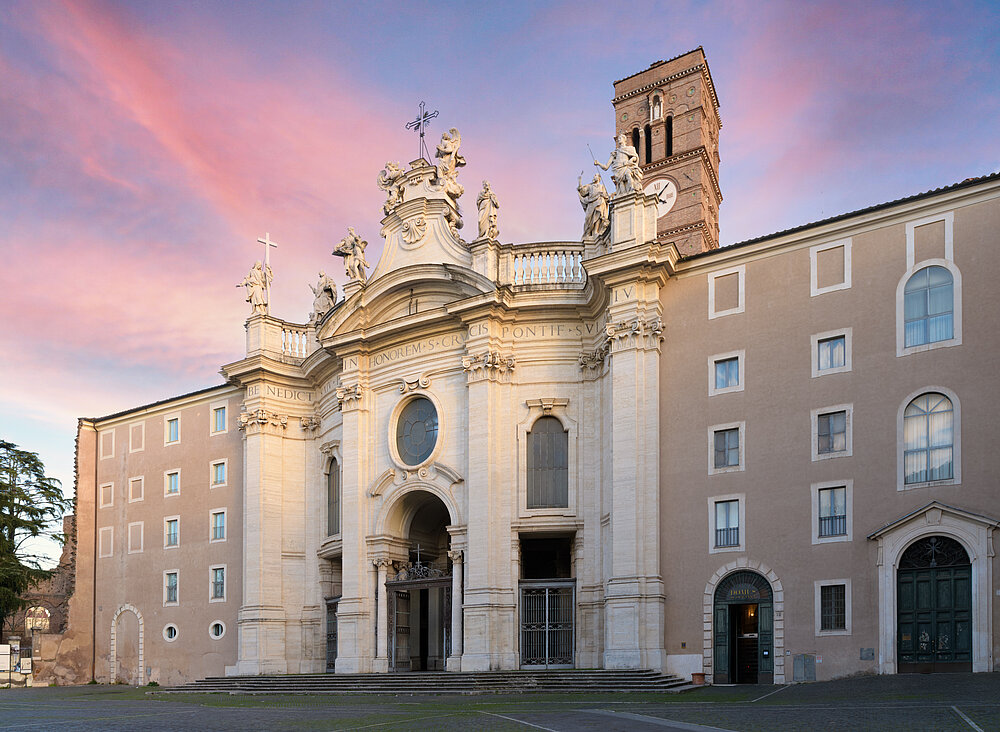
Seven Pilgrim Churches
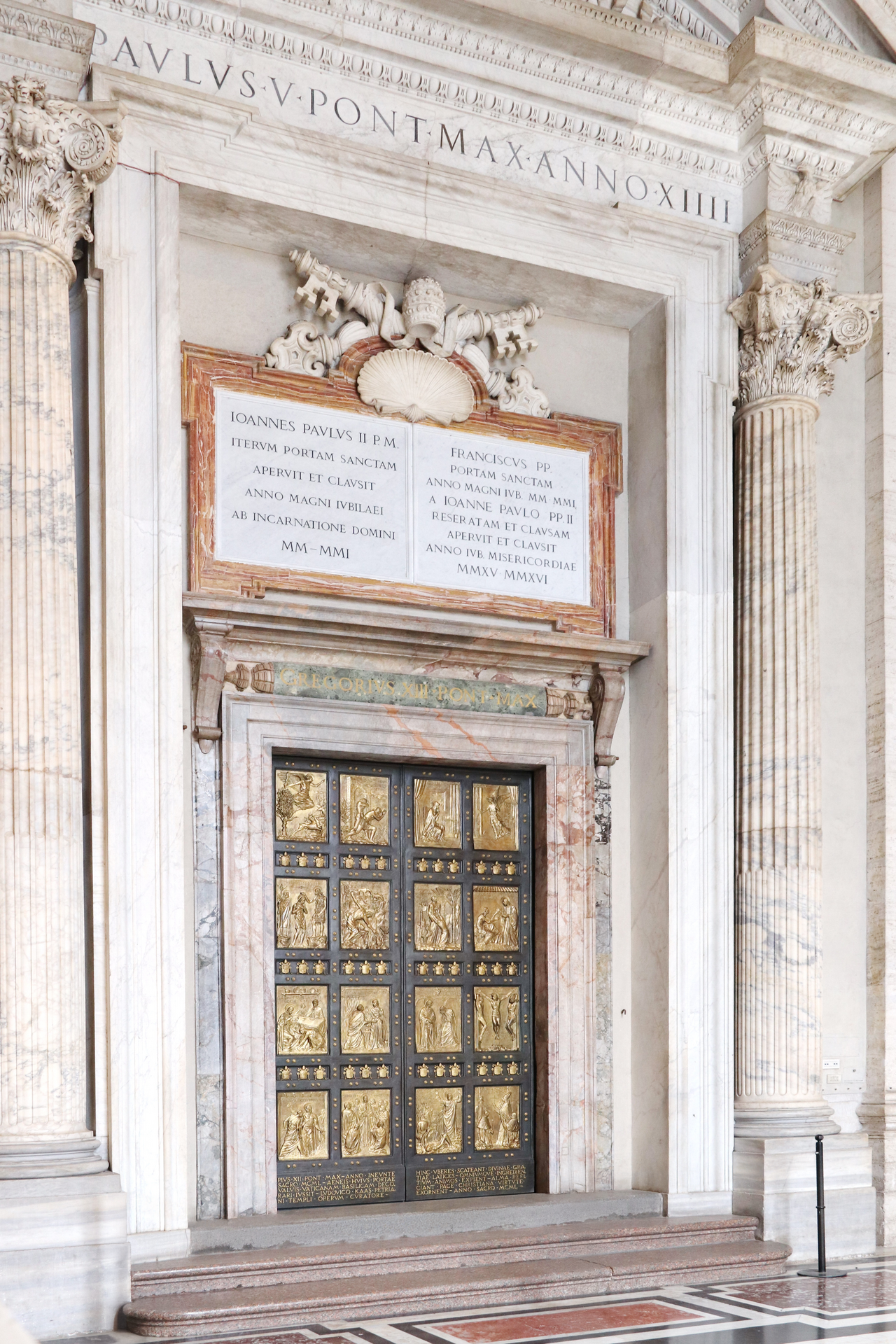
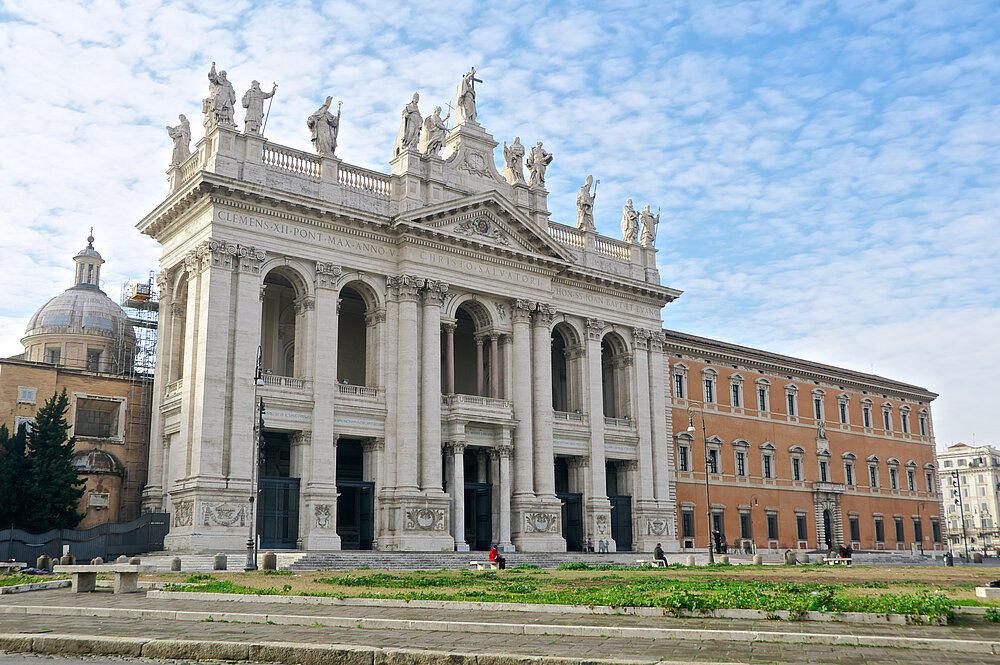
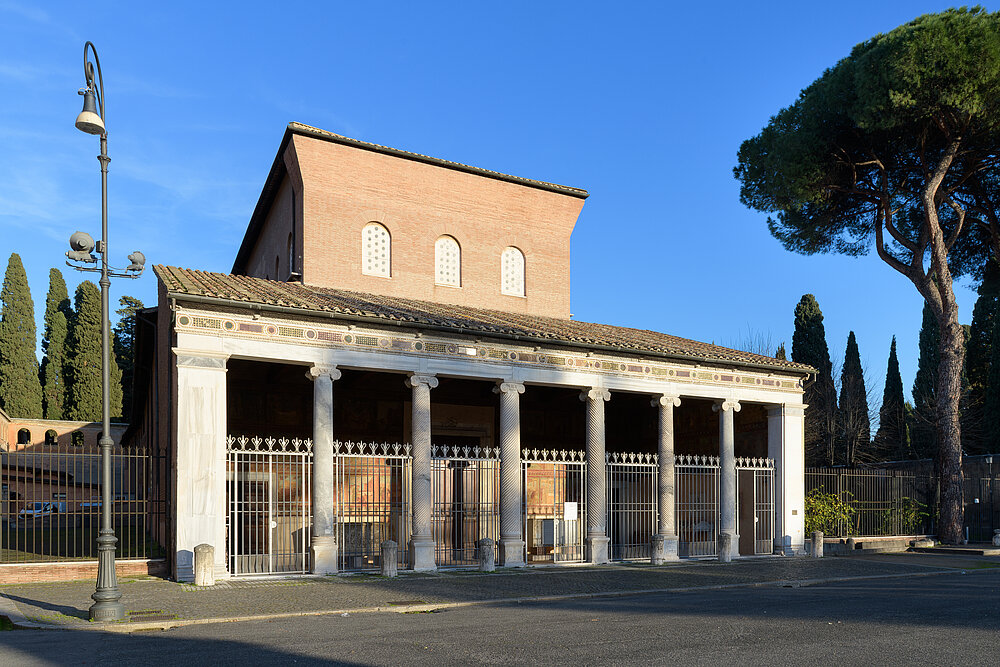
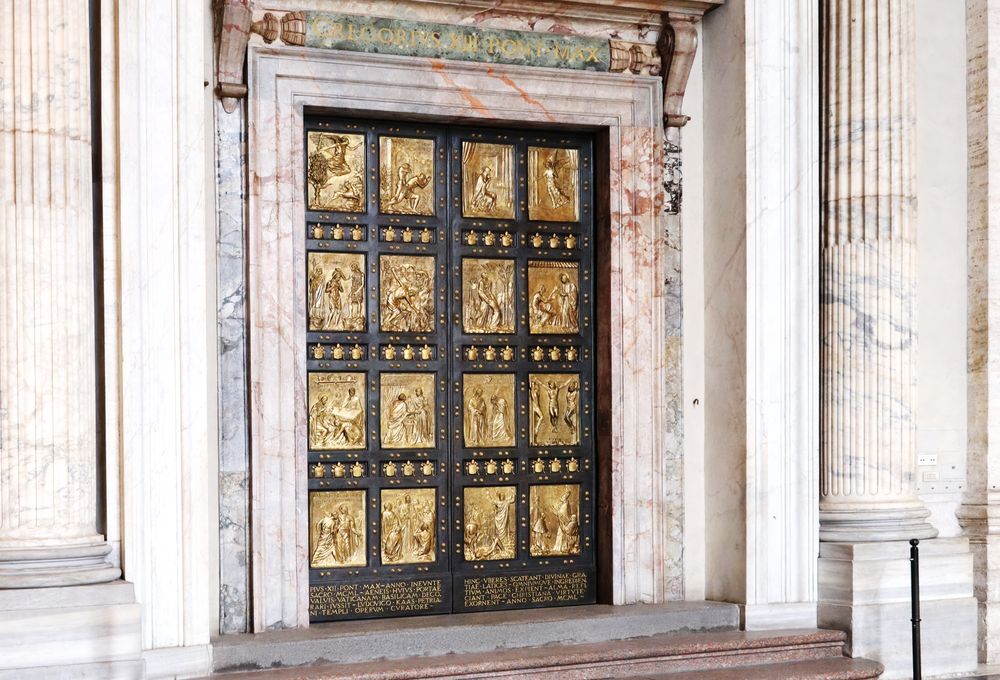
Of particular importance for Christian pilgrims are the Seven Pilgrim Churches of Rom. These include the four major papal basilicas and three minor basilicas. The major basilicas differ from the smaller churches in that they have a papal altar, a papal throne and a holy door.
All pilgrim churches can be visited on foot in one day, although only St. Peter's Basilica is located in Vatican City. Three of the basilicas have the suffix ‘outside the walls’ because they are located outside the Aurelian Wall, which was built under Emperors Aurelian and Probus at the end of the 3rd century AD.
Holy Year
The first Holy Year, or jubilee, took place in 1300 and was proclaimed by Pope Boniface VIII. Initially, it was to be repeated every 100 years. However, Pope Paul II established a rhythm of 25 years from 1475 in order to enable every generation to participate. The purpose of the Holy Year is the papal granting of a plenary indulgence for the faithful. In addition to the ordinary Jubilee Years, there are also extraordinary Holy Years, each of which is dedicated to a specific event or theme.
UNESCO World Heritage Site
Vatican City was designated a UNESCO World Heritage Site in 1984. The Vatican Museums and the Vatican Apostolic Library are of particular historical significance, and not only for the Catholic Church.