
Colorado
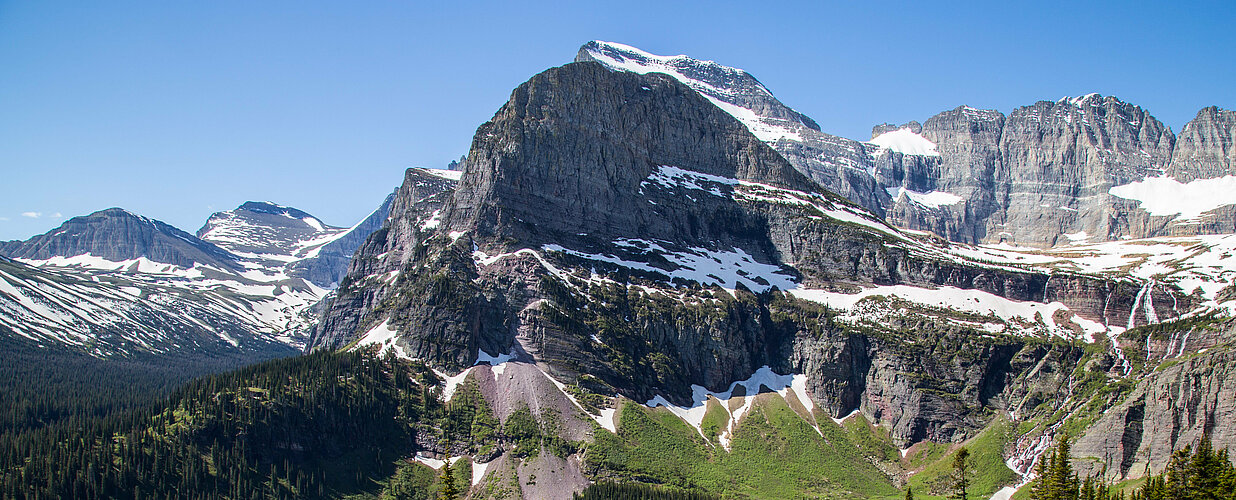
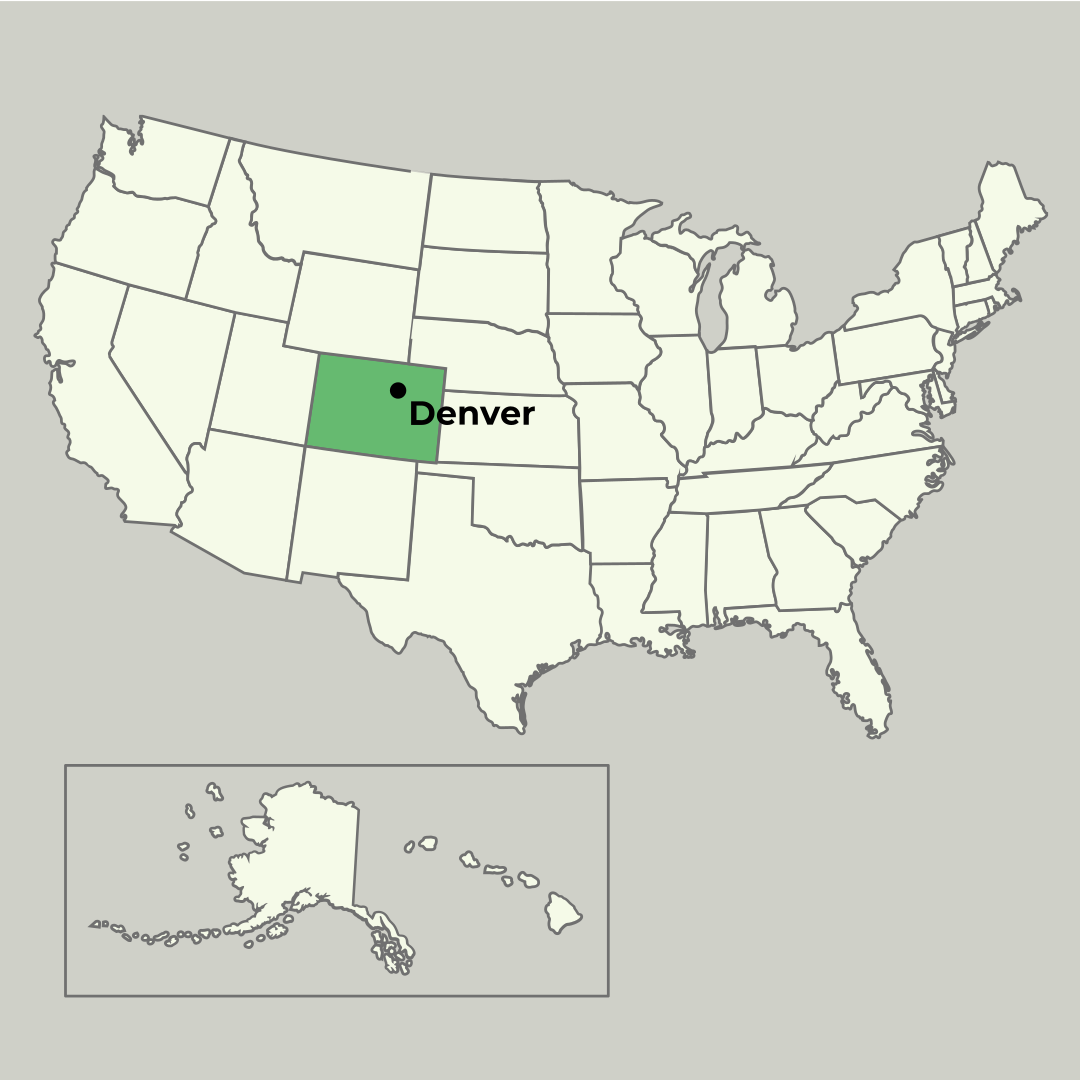
Colorado is located in the Western United States and encompasses part of the Great Plains and the Southern Rocky Mountains, including the source of the Colorado River. One of the largest rivers in the U.S., it flows through the world-famous canyons of the Colorado Plateau all the way to Mexico. "Colorado" is the Spanish designation for the reddish color of the sandstone in that landscape. Together with Arizona, New Mexico and Utah, the state forms the famous Four Corners region, the only quadripoint in the United States.
With the main migration route along the eastern Rocky Mountains, Colorado was inhabited by humans at least 13,500 years ago. Indigenous peoples who lived in the area include the Ancestral Puebloans, the Ute Nation, the Apache, the Comanche and, since the 17th century, the Arapaho and the Cheyenne. Works from the diverse cultural heritage are preserved in the Denver Art Museum. It is one of the largest art museums in the United States and is renowned for its collection of Native American art.
After the Spanish established the first settlement as early as 1598, the United States first received the north-eastern part of Colorado in 1821, which then became an unorganized territory. After the Mexican-American War, much of the remaining territory of the present-day state was ceded to the U.S. in 1848. One of the biggest gold rushes in North American history began in 1858 with the Pike's Peak Gold Rush. It led to a huge wave of settlers and in 1861 the Territory of Colorado was founded. The admission to the Union as the 38th state took place in 1876, 100 years after the Declaration of Independence. Hence, Colorado became known as the "Centennial State". The Latin state motto "Nil sine numine" means "Nothing without providence".
Facts
- Capital and largest city: Denver
- Area: 104,094 square miles (269,837 km²)
- Population: 5.8 million
- Date of statehood: 1st August 1876
- Rank of the admission: 38th


Colorado Folding Card
The Rocky Mountains bighorn sheep is the state mammal of Colorado. It inhabits alpine meadows and rugged cliffs of North America's largest mountain range. The sheep is named for its horns, which weigh up to 14 kilograms and are over 80 centimeters long. They were once used by Native Americans to make tools or ceremonial artifacts. This note from the 50 U.S. States Program features a bighorn sheep, a landscape in the Rocky Mountains, an American Native pattern, the state motto "Nil sine numine" (Latin for "Nothing without providence") and the year of admission to the Union.
100 Souvenir Dollars
Obverse: Rocky Mountain bighorn sheep, landscape in the Rocky Mountains, American native pattern
Reverse: United States Capitol in Washington, D.C., seals of the commemorative series
| Dimensions: 7.07 x 3.00 inches (179.50 x 76.20 mm) Material: Paper |