
Wyoming
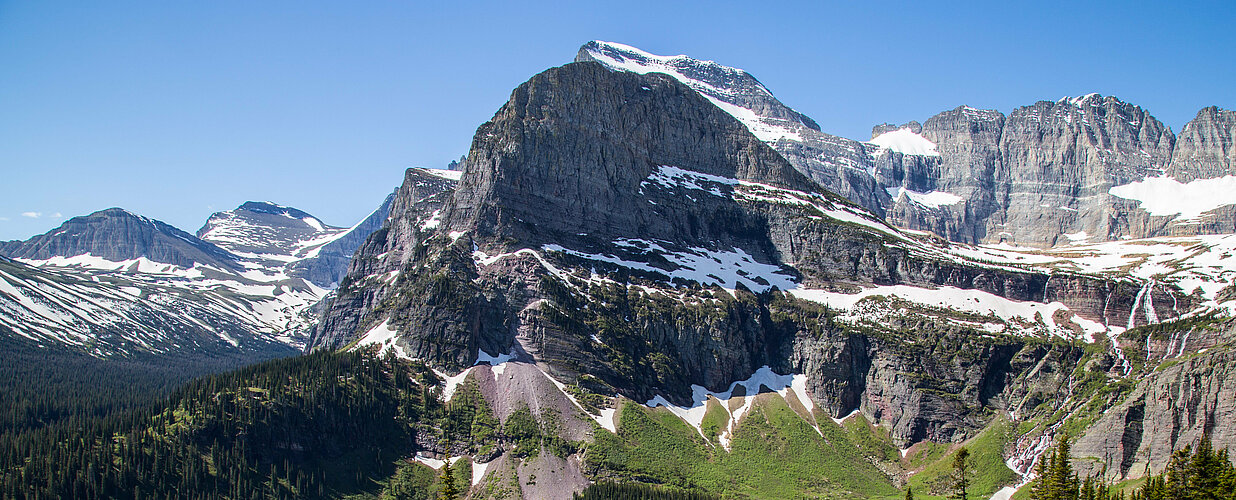
Wyoming is located in the Western United States and, with around 600 thousand inhabitants, is the least populous state. While the west of Wyoming is dominated by the Rocky Mountains, the east comprises the High Plains, which are part of the Great Plains. Devils Tower rock in the Bear Lodge Mountains near Hulett and Sundance is 867 feet (265 m) high and became the first national monument in the U.S. in 1906.
Wyoming is home to the largest part of Yellowstone National Park, which is probably the only place where the American bison has not been completely extirpated. Established in 1872, Yellowstone is considered the oldest national park in the world. The bison herd living there is the largest in the United States, with approximately 4,800 animals.
The capital of Wyoming was named after the indigenous Cheyenne people. Other Native American tribes living in the area when European settlers arrived include the Crow, Arapaho, Lakota and Shoshone. Since the late 18th century, French-Canadian fur trappers traded with the native tribes. When Mexico gained its independence in 1821, the area became part of the province of Alta California, and as a result of the Mexican-American War, it was ceded to the U.S. in 1848. The population grew during the 19th century due to migration along the Oregon, Mormon, and California trails and, after 1867, the Transcontinental Railroad.
Both the nickname, "The Equality State," and the motto, "Equal Rights," refer to Wyoming‘s historically significant women's suffrage. It was granted in 1869, earlier than any other U.S. territory, and in 1925 Nellie Tayloe Ross became the first female governor. Wyoming was admitted to the Union as the the 44th state in 1890.
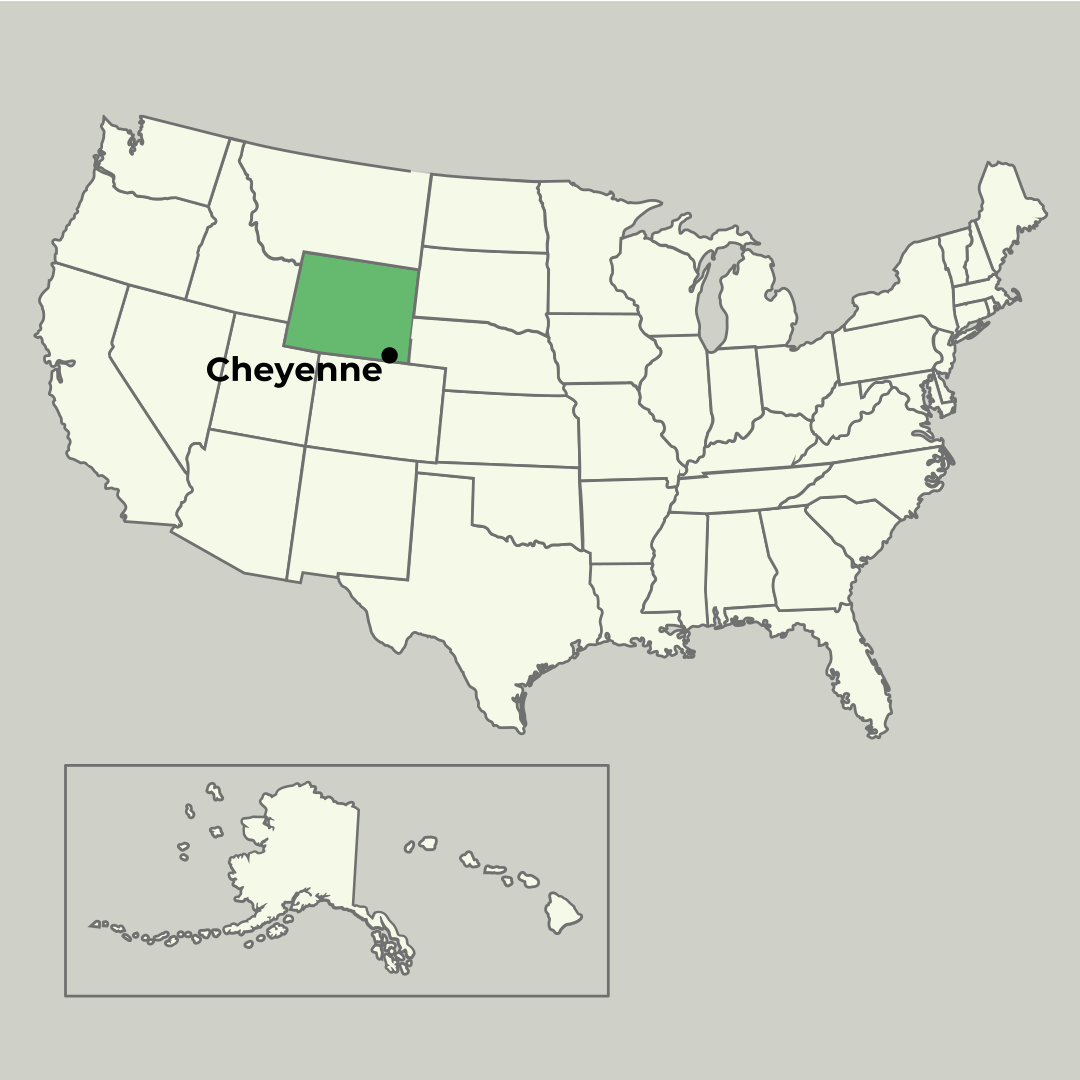
Facts
- Capital and largest city: Cheyenne
- Area: 97,914 square miles (253,596 km²)
- Population: 580 thousand
- Date of statehood: 10th July 1890
- Rank of the admission: 44th


Wyoming Folding Card
Under the name "Buffalo Bill" bison hunter and showman William Frederick Cody became a world-famous symbolic figure of the Wild West. In Wyoming, he founded the town of Cody in 1895 and promoted some irrigation projects, which led to the construction of the Buffalo Bill Dam, the world's largest dam at the time. This note of the 50 U.S. States Program depicts Buffalo Bill, Devils Tower rock, a silhouette of a bison, the state motto "Equal Rights," and the year of admission to the Union.
100 Souvenir Dollars
Obverse: William Frederick Cody (1846–1917), bison hunter, soldier and showman known as "Buffalo Bill", Devils Tower rock in the Bear Lodge mountain range near Hulett and Sundance, silhouette of an American bison
Reverse: United States Capitol in Washington, D.C., seals of the commemorative series
| Dimensions: 7.07 x 3.00 inches (179.50 x 76.20 mm) Material: Paper |