
North Carolina
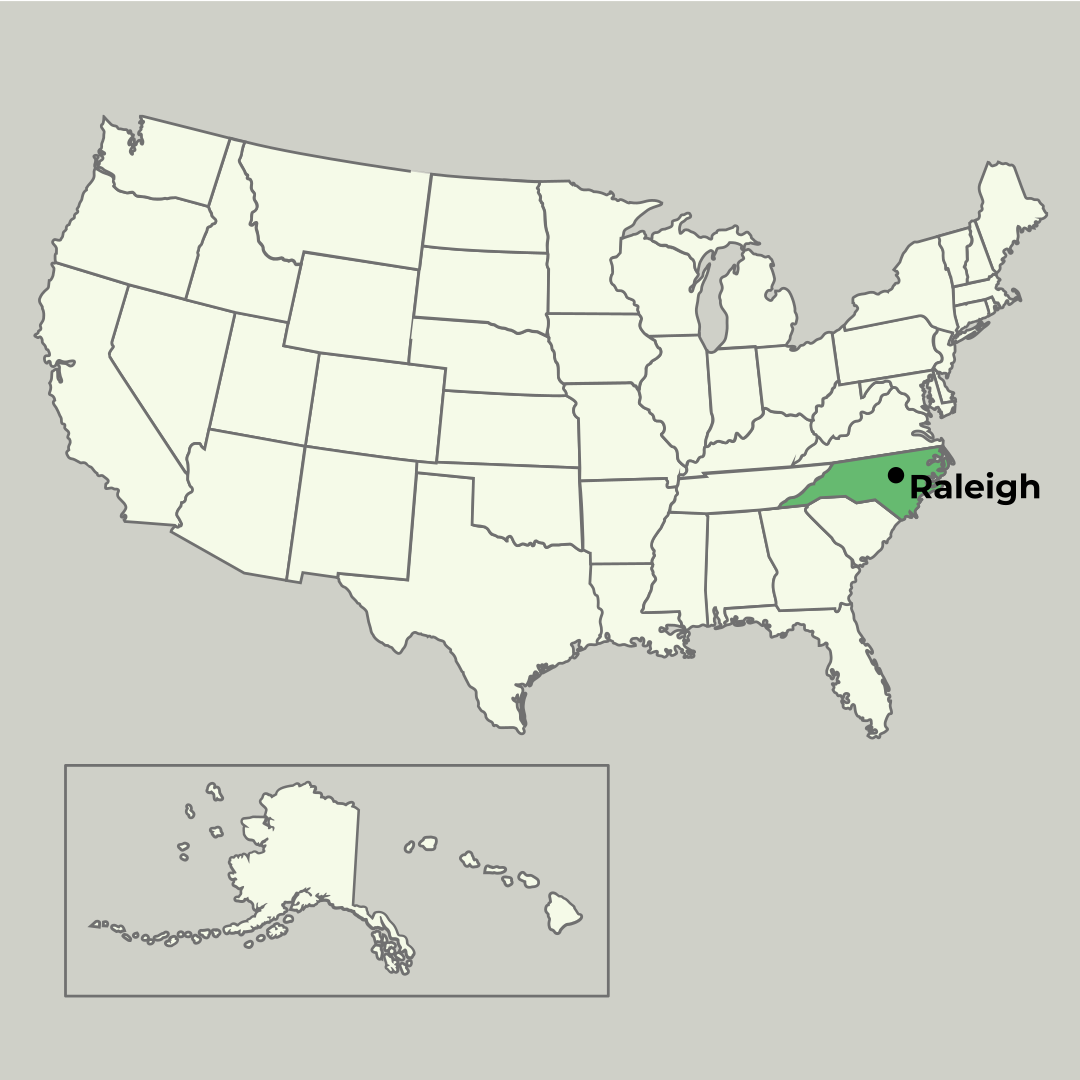
North Carolina is belongs to the Southeastern United States and borders the Atlantic Ocean. At 6,684 feet (2,037 m), Mount Mitchell in western North Carolina is the highest peak in the Appalachian Mountains and in all of North America east of the Mississippi River. Before the arrival of Europeans, North Carolina was inhabited by numerous Native American peoples, including Carolina Algonquian, Iroquoian and Siouan-speaking tribes. In the 16th century, the Spanish entered the region, but after armed conflicts with the indigenous peoples, they abandoned their colonization attempts.
The first English settlement was founded in 1585 by Sir Walter Raleigh, after whom the capital of North Carolina was later named. However, this colony also failed and became known as the “Lost Colony”. In 1663, the English King Charles II finally granted a charter for another colony, which was divided into the provinces of North Carolina and South Carolina in 1712. The name Carolina was chosen by the king in honor of his father Charles I and is derived from the Latin form of his name "Carolus". The Carolinas were among the Thirteen Colonies, and the first formal demand for independence from Great Britain was made in North Carolina with the Halifax Resolves on 12th April 1776. In 1789, North Carolina was admitted to the Union as the 12th state, but seceded during the Civil War in 1861 and joined the Confederacy. Statehood was restored in 1868.
As an important producer of tar, which was mainly needed for shipping in colonial times, North Carolina received the nickname "Tar Heel State". Some of the origin theories refer to quotes about the steadfastness of soldiers. The Latin state motto "Esse Quam Videri" means “To be, rather than to seem.”
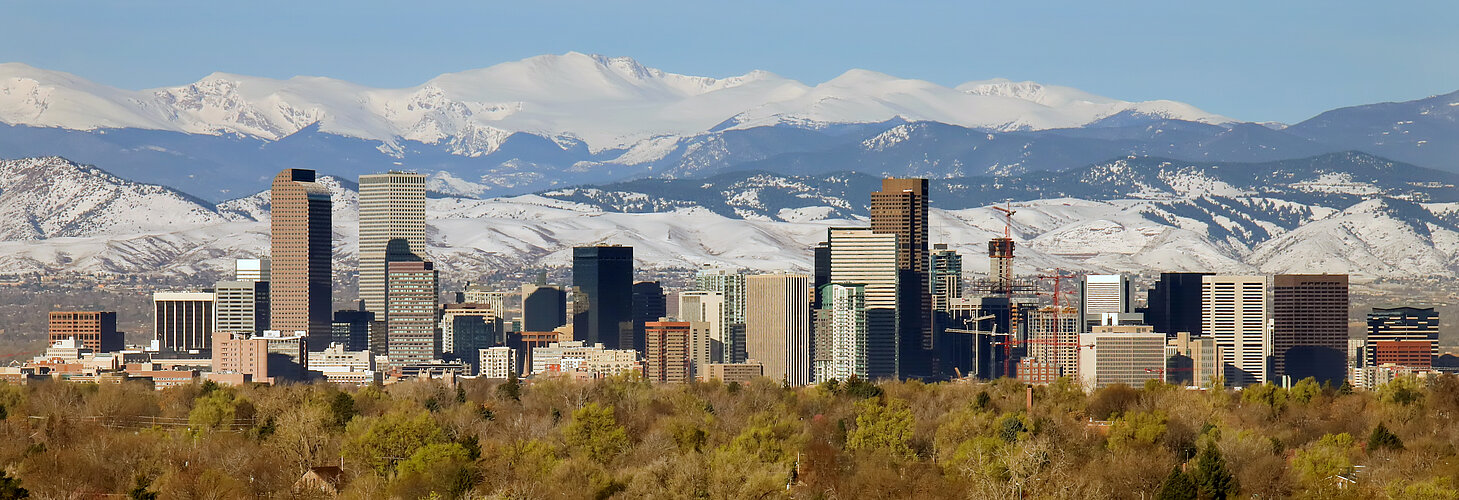
Raleigh, along with Durham and Chapel Hill, forms the Research Triangle – the largest research park in the United States. The construction of the Raleigh skyline dates back to 1840.
Facts
- Capital city: Raleigh
- Largest city: Charlotte
- Area: 53,819 square miles (139,390 km²)
- Population: 10.7 million
- Date of statehood: 21st November 1789
- Rank of the admission: 12th


North Carolina Folding Card
On a group of sand dunes south of Kitty Hawk, known as the Kill Devil Hills, Orville and Wilbur Wright made the first successful flight with a powered and controlled aircraft in 1903. The Wright Flyer consisted of a wooden frame covered with canvas and had a gasoline engine. The distance of the famous flight measured 852 feet (about 260 m). This note from the 50 U.S. States Program features a portrait of the Wright brothers, the skyline of Raleigh, two illustrations of the Wright Flyer, the state motto "Esse Quam Videri" (Latin for "To be, rather than to seem") and the year of admission to the Union.
100 Souvenir Dollars
Obverse: Orville Wright (1871–1948), Wilbur Wright (1867–1912), pioneers of aviation, skyline of Raleigh, Wright Flyer, first powered airplane of the Wright brothers
Reverse: United States Capitol in Washington, D.C., seals of the commemorative series
| Dimensions: 7.07 x 3.00 inches (179.50 x 76.20 mm) Material: Paper |